The relationship between Super PAC & US Politics represents one of the most controversial intersections of capital and governance in the modern world. In a system where speech is often equated with spending, “Super PACs” (Independent Expenditure-Only Political Committees) have become the primary vehicles for injecting massive amounts of wealth into the electoral process. Unlike traditional PACs, these entities can raise unlimited sums of money from corporations, unions, and individuals to advocate for or against political candidates. As we look toward the 2026 election cycle, understanding the mechanics of this “money machine” is essential for any observer of global power.
The Birth of the Super PAC: Citizens United
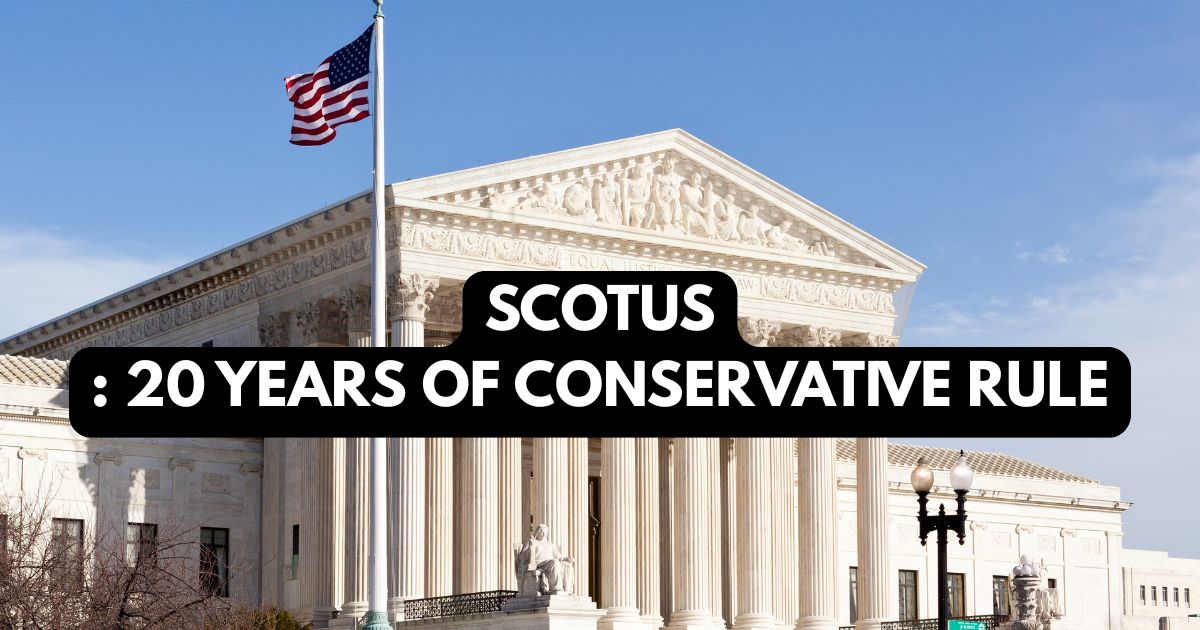
The explosion of Super PAC & US Politics influence can be traced back to the landmark 2010 Supreme Court decision in Citizens United v. FEC. The court ruled that the government cannot restrict independent expenditures by corporations and unions for political communications, citing First Amendment free speech protections. This ruling effectively opened the floodgates for “dark money”—funds where the ultimate source of the donation is hidden through layers of non-profit organizations. This legal landscape is part of the broader [Supreme Court Conservative Majority] that has reshaped American law.
How the Money Dominates: Negative Campaigning
The primary weapon of the Super PAC is the “attack ad.” While official candidate campaigns often focus on positive messaging and policy platforms, Super PACs operate as the “heavy artillery” in the background. Because they are legally prohibited from coordinating directly with a candidate’s campaign, they often spend their vast resources on aggressive, high-production negative advertisements designed to destroy an opponent’s reputation.
[Expert Analytical Comment] Behind the scenes of every major campaign lies a world of ‘slush funds’ that rarely see the light of day. Untraceable money with no labels eventually acts as a poison that erodes political integrity. The more transparent a campaign finance system becomes, the more transparent the nation’s future will be; conversely, when opaque funds dominate politics, the damage is ultimately borne by the citizens. It is the sole responsibility of the public to vigilantly monitor whether donations are legitimate or if corruption is hiding in the shadows. Our indifference to politics is exactly what allows ‘dark money’ to control the system from the depths.
The Influence of Billionaire Mega-Donors
In the current landscape of Super PAC & US Politics, a handful of elite donors wield disproportionate power. A single billionaire can effectively sustain a candidate’s entire primary campaign through a dedicated Super PAC. This creates a “pay-to-play” perception where policy priorities—such as tax codes, environmental regulations, and trade deals—are influenced more by the interests of the 0.01% than by the needs of the general electorate. This shift mirrors the economic anxieties where working-class voters feel their voices are drowned out by corporate spending, much like the voters in the [Rust Belt & US Election Impact] .
Transparency and the Accountability Gap
One of the greatest challenges in monitoring Super PAC & US Politics is the accountability gap. While the Federal Election Commission (FEC) requires reporting, the use of “shell companies” and 501(c)(4) social welfare organizations allows donors to remain anonymous. This lack of transparency makes it nearly impossible for the public to know who is truly funding the messages they see on their screens. Discerning truth becomes a monumental task when the motive behind the information is shielded by untraceable wealth, especially when analyzed through [Most Trusted News Sources US] .
According to the Federal Election Commission [Campaign Finance Data] , the sheer volume of independent expenditures has reached historic highs leading into the 2026 midterms, as detailed in our [2026 Midterm Elections Checklist].
Conclusion: Reclaiming the Ballot
The dominance of Super PAC & US Politics poses a fundamental question: Is American democracy still “one person, one vote,” or has it become “one dollar, one vote”? While the legal framework currently protects these massive expenditures, the power to demand change lies with a vigilant and informed citizenry. By scrutinizing financial disclosures and supporting transparency initiatives, voters can begin to push back against the tide of dark money and ensure that the integrity of the political system is preserved for future generations.
🎙️ Senior’s Tip: Following the Paper Trail
“In politics, if you want to find the truth, you don’t listen to the speeches—you follow the money. The Super PAC & US Politics connection is a reminder that power rarely shifts without a financial catalyst. For those analyzing the 2026 landscape, pay attention to ‘Independent Expenditures.’ When you see a sudden wave of negative ads in a swing state, look at who is writing the checks. Understanding the difference between a grassroots movement and a ‘Astroturf’ campaign funded by a Super PAC is the mark of a true political expert. Transparency isn’t just a moral ideal; it’s the only defense we have against the total commodification of our leadership.”
📚 Essential Glossary: Key Political Terms
-
Super PAC (Independent Expenditure-Only Political Committee): A type of political action committee that can raise unlimited sums of money from corporations, unions, associations, and individuals, then spend unlimited sums to overtly advocate for or against political candidates.
-
Dark Money: Political spending by nonprofit groups—for example, 501(c)(4) social welfare organizations—that are not required to disclose their donors.
-
Citizens United v. FEC: A landmark 2010 Supreme Court case that ruled that corporate funding of independent political broadcasts in candidate elections cannot be limited, as it is a form of protected free speech.
-
FEC (Federal Election Commission): The independent regulatory agency whose purpose is to enforce campaign finance law in United States federal elections.
-
Independent Expenditure: An expenditure for a communication that expressly advocates the election or defeat of a clearly identified candidate and which is not made in coordination with any candidate’s campaign.
-
Soft Money: Contributions made outside the limits and prohibitions of federal law, typically given to political parties for general “party-building” activities.