블로그

  • 2026 Midterm Elections: Why Incumbents Always Lose

    2026 Midterm Elections: Why Incumbents Always Lose

    2026 Midterm Elections D-Month Checklist: Is the White House Facing a Historical Graveyard?

    As the countdown to the 2026 Midterm Elections begins, the political atmosphere in Washington is increasingly suffocating. Historically, the midterm cycle has earned a reputation as the “Graveyard of the Incumbent Party.” For the current administration, this isn’t just a statistical anomaly—it is a looming reality fueled by a controversial “America First” agenda that has sent shockwaves through the global economy. If the current trajectory of prioritizing domestic gains at the expense of global stability continues, the 2026 cycle will not just be a loss; it will be a reckoning.

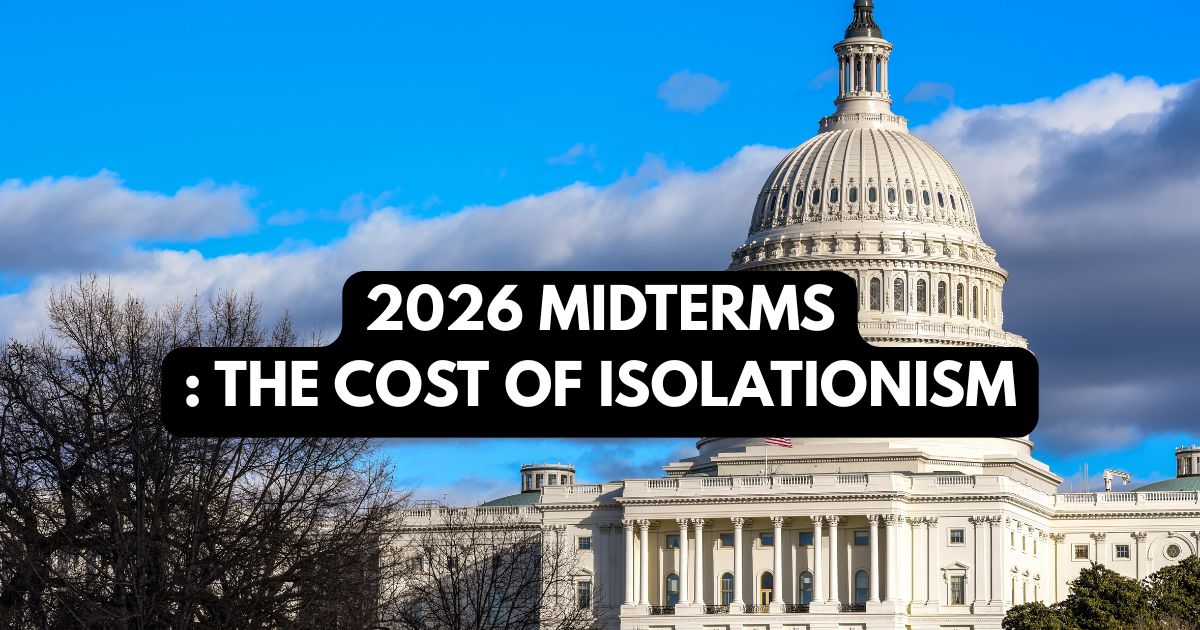
    A critical look at the 2026 Midterm Elections and the historical loss of the incumbent party.
    Historical data suggests a tough road for the GOP in 2026.

    The Historical Curse: Why the Ruling Party Fails

    Statistically, the President’s party has lost seats in nearly 90% of all midterm elections since the Civil War. This phenomenon occurs because the 2026 Midterm Elections serve as a national referendum on the administration’s performance. When the White House shifts from campaigning to governing, the coalition that brought them to power often dissipates, while the opposition is energized by every policy misstep. To understand how these shifts began, recall our analysis of the  [Electoral College 2026: The Ultimate Guide]  which detailed the structural hurdles of American power.

    Global Pain for Domestic Gain: The Ethics of a Superpower

    A political and economic superpower carries a global responsibility that the current Trump administration seems to have abandoned. By manipulating global energy markets and leveraging military conflicts for political leverage, the U.S. is effectively exporting inflation and hardship. While the administration claims to be “fixing” the economy, the reality is that the world is suffering under the weight of high energy prices and disrupted supply chains. This lack of international accountability is a primary driver of voter dissatisfaction among moderate Americans who see the moral and economic cost of this isolationism.

    The 2026 Midterm Checklist: Key Vulnerabilities

    As we check the boxes for the 2026 Midterm Elections, several red flags appear for the GOP. The strategy of “maximum pressure”—not just on adversaries, but on allies—is creating a backlash that will likely manifest at the ballot box.

    • The Energy Crisis: Trump’s policies have destabilized global energy security, leading to volatile gas prices at home.

    • Economic Isolationism: Trade wars are beginning to bite back, affecting the very manufacturing hubs that were promised a “Renaissance.” For more context on these economic shifts, see our report on  [2026 CPI Data Analysis].

    • Voter Fatigue: The constant chaos of the “Permanent Campaign” is exhausting the suburban voters who decide the 2026 Midterm Elections.

    The Responsibility of a Political Giant

    Being a “Political Giant” means more than just having the largest military; it means providing the stability that the global market requires. Instead, the current administration has treated global geopolitics like a zero-sum game. This approach has alienated traditional allies and created an opening for adversaries to fill the leadership vacuum. Voters are increasingly aware that a leader who burns bridges abroad eventually leaves their own citizens stranded. This sentiment is particularly strong in battleground states like Ohio, as noted in our [Ohio Primary 2026 Insights].

    Will the 2026 Midterms Be a Referendum on Hubris?

    The ultimate question for the 2026 Midterm Elections is whether the American public will tolerate the “World’s Suffering” as a price for domestic political theater. If the GOP fails to take responsibility for the global repercussions of its energy and foreign policies, the “Graveyard” of the midterm elections will be particularly crowded this year.

    Conclusion: A Call for Strategic Accountability

    The GOP must realize that an “America First” policy that leaves the rest of the world behind is ultimately unsustainable. The global economy is too interconnected for one nation to thrive while others are in agony. As we approach the 2026 Midterm Elections, the checklist for victory must include a return to global responsibility. Without it, the incumbent party is destined to repeat the failures of history, losing the very mandate they fought so hard to secure.

  • Truck Accident Attorneys 2026: Why Sleep is Your Strongest Legal Defense

    Truck Accident Attorneys 2026: Why Sleep is Your Strongest Legal Defense

    Truck Accident Attorneys 2026: Why Sleep is a Legal Right and a Safety Necessity

    In the high-stakes world of American logistics, the pressure to deliver “just-in-time” often clashes with the fundamental human need for rest. As we move through 2026, the role of Truck Accident Attorneys has evolved beyond simple litigation; they have become the primary enforcers of safety standards that corporations often overlook in pursuit of quarterly results. When a driver is forced to sacrifice sleep to meet an impossible quota, the resulting “accident” is frequently a predictable consequence of corporate negligence.

    Truck Accident Attorneys investigating driver fatigue and corporate liability in 2026
    Specialized Truck Accident Attorneys help prove when corporate pressure leads to driver exhaustion.

    The Performance Trap: Why Drivers Sacrifice Rest

    The modern logistics industry operates on razor-thin margins, leading many companies to incentivize performance over protection. Drivers, often lacking adequate labor safeguards, find themselves in a “performance trap”—pushed to drive beyond the legal 11-hour limit to maintain their livelihoods. This systemic issue is a major focal point in current political debates regarding labor reform. To understand how these regional labor shifts influence national policy, it is helpful to look at the [Ohio Primary 2026 Insights] .

    The Human Cost of Corporate Quotas

    When a driver is pushed to the brink of exhaustion, their reaction time mimics that of a person under the influence of alcohol. If an incident occurs under these conditions, Truck Accident Attorneys can argue for “Punitive Damages,” holding the company itself responsible for the culture of fatigue it created. This legal pressure is a vital check on corporate power.

    Why Specialized Truck Accident Attorneys are a Necessity

    Navigating a truck accident claim is vastly different from a standard car insurance dispute. It requires a deep understanding of the Federal Motor Carrier Safety Administration (FMCSA) regulations and the ability to challenge well-funded corporate legal teams.

    • ELD Auditing: Professional Truck Accident Attorneys specialize in auditing Electronic Logging Devices to prove that a driver was on the road when they should have been resting.

    • Corporate Accountability: Legal experts can trace the “chain of command” to show that dispatchers or managers actively encouraged HOS (Hours of Service) violations.

    • Economic Impact: As we discussed in our analysis of [2026 CPI Data], the rising costs of medical care mean that securing a fair settlement is more critical than ever.

    (더 보기…)

  • Electoral College 2026: The Ultimate Guide to 270 Votes

    Electoral College 2026: The Ultimate Guide to 270 Votes

    Electoral College 2026: The Ultimate Guide to Understanding the 270 Vote Threshold

    The Electoral College remains the most critical yet misunderstood component of American democracy. As we look toward the 2026 Midterm Elections, understanding the Electoral College is not just an academic exercise—it is a strategic necessity for grasping how American power is won and maintained. This system continues to dictate the rhythm of national campaigns and the distribution of political influence across the 50 states. To gain a broader perspective on national voting patterns, you should first examine the [Ohio Primary 2026 Insights]  which provides a baseline for current voter behavior.

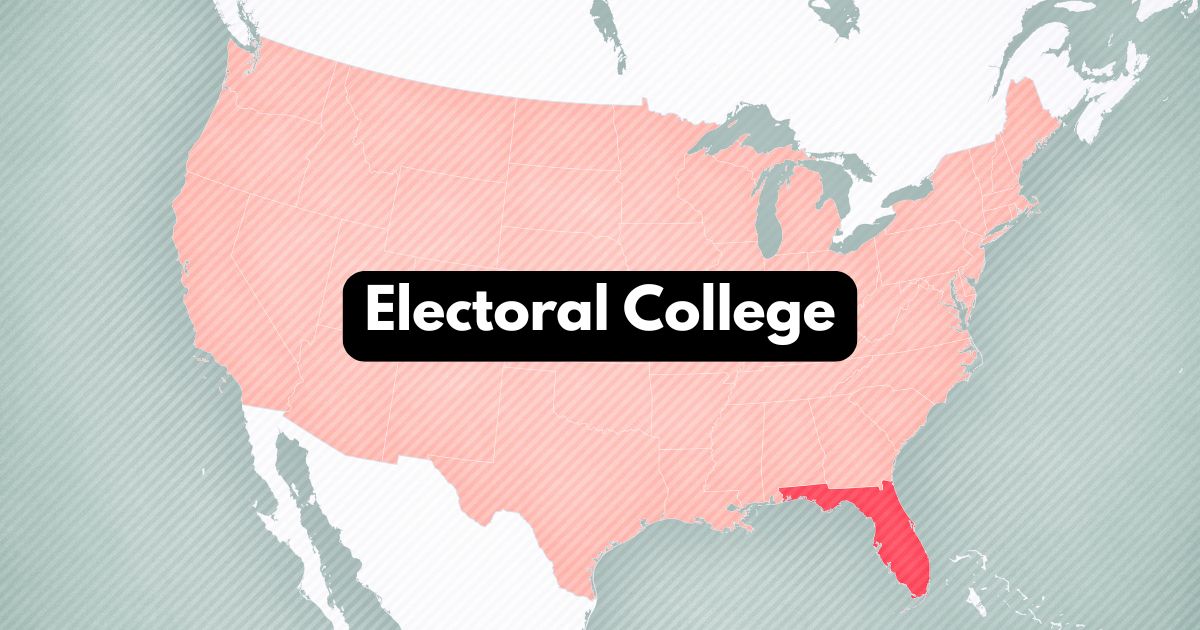
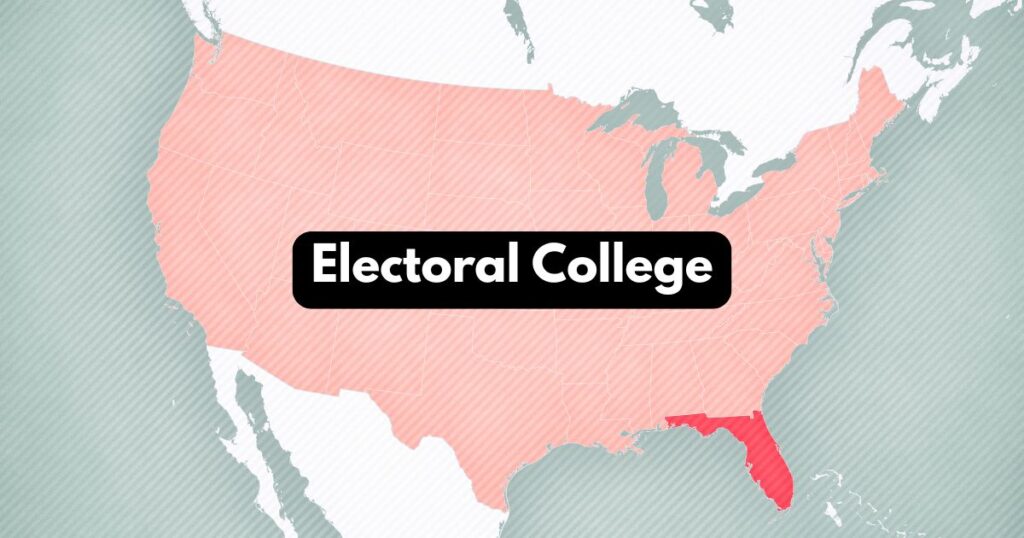
    A detailed 2026 US map explaining the Electoral College and the 270 vote threshold.
    Securing 270 votes in the Electoral College is the ultimate goal.

    The Mechanics of the Electoral College and the 538 Electors

    The Electoral College is composed of 538 electors, a number that reflects the total membership of the U.S. Congress. To secure the presidency, a candidate must win a majority of at least 270 electoral votes. Each state’s number of electors is determined by its total congressional representation: two senators plus the number of its members in the House of Representatives.

    How Elector Allocation Works in 2026

    This formula ensures that every state, regardless of population, has a minimum of three electoral votes. In 2026, the census-driven reapportionment of these seats continues to shift the political gravity toward the Sun Belt, altering the traditional electoral map. This shift is a key reason why candidates focus so heavily on regional economic data. For more on the economic drivers of voter sentiment, see our analysis on the  [2026 CPI Data Analysis].

    The Winner-Take-All System and Swing States

    Most states employ a “Winner-Take-All” system for the Electoral College, where the candidate who wins the popular vote plurality receives all of that state’s electoral votes. This reality is why national campaigns focus disproportionately on a handful of “Swing States” like Pennsylvania, Michigan, and Arizona.

    Strategic Impact of the Electoral College on 2026 Midterms

    While the Electoral College specifically elects the President, its shadow looms over the 2026 Midterm Elections. The boundaries of electoral influence are often shaped by economic and social factors that influence voter sentiment. According to the official  [U.S. National Archives on Electoral College] , this institution was designed to balance the interests of high-population and low-population states.

    Economic Factors and the Electoral College

    The economy remains the top priority for voters in battleground states that decide the Electoral College. The latest inflation data is a critical variable in how these states might lean in the next cycle. Candidates must align their fiscal platforms with the specific needs of these diverse voting blocs to maintain structural “Stability.”

    The Role of State Legislatures in Electoral College Reform

    State-level decisions on how elections are conducted can have ripple effects on the Electoral College. Understanding the legislative framework of these states is vital for recognizing the long-term trajectory of U.S. policy and the defense of democratic institutions. Many states are currently debating the “National Popular Vote Interstate Compact,” which could fundamentally change the Electoral College without a constitutional amendment.

    The Global Debate: Popular Vote vs. Electoral College

    One of the most persistent criticisms of the Electoral College is the possibility of a candidate winning the national popular vote but losing the presidency. This phenomenon remains a flashpoint for debates over democratic integrity in 2026.

    Proponents of the Current Electoral College System

    Proponents argue that the Electoral College preserves federalism and prevents high-population states from monopolizing the executive branch. They believe it forces candidates to build a geographically diverse coalition, maintaining the “Character” of the United States as a union of states rather than a single direct democracy.

    Arguments for Electoral College Reform

    Critics suggest that the Electoral College diminishes the “Human Factor” of individual votes in non-competitive states. They often advocate for reforms that would align the presidency more closely with the direct will of the people. This debate continues to shape the legislative agendas of both major parties as they prepare for the 2026 cycle.

  • The Human Factor in 2026

    [Director’s Insight] “While fresh faces are appealing, politics is ultimately a ‘service’ provided by people. Innovation without proven character and integrity is a dangerous gamble. For the 2026 Midterm Elections, we must look past the polished resumes and evaluate the true ‘texture’ of a candidate’s life.”


    The Human Factor: Vetting Integrity in the 2026 Midterm Candidates

    As the United States hurtles toward the 2026 Midterm Elections, the political machine is cranking out a new wave of “fresh faces” promising to disrupt the status quo. In a digital landscape dominated by viral clips and meticulously crafted personas, the temptation to vote for the most “innovative” or “outsider” candidate is at an all-time high. However, a critical reassessment is underway among the American electorate. Voters are beginning to realize that professional competence, while essential, cannot compensate for a lack of foundational integrity. The focus is shifting from what a candidate promises to do, to who that candidate has been throughout their life. In the 2026 Midterms, voters are prioritizing long-term integrity over short-term political charm.

    A conceptual image showing a political candidate under a magnifying glass, emphasizing character vetting for the 2026 Midterms.

    1. Beyond the Resume: The Resurrection of Character

    In recent cycles, the “Candidate Quality” debate has often centered on ideological purity or fundraising prowess. But in 2026, the narrative is changing. High-profile scandals involving personal conduct and historical inconsistencies have led to a “Back to Basics” movement. Political strategists are now looking at a candidate’s life story—not as a marketing tool, but as a predictor of their resilience under pressure. When the [US Legislative Process]  becomes gridlocked, it is the character of the individual legislator that determines whether they hold firm to their values or succumb to partisan convenience.

    This shift is particularly evident in the  [GOP vs. Dems] divide. Both parties are grappling with the fact that “charismatic” leaders without a moral compass often become liabilities. For more on the internal struggles of leadership, check out the recent analysis by [Politico]. A candidate who has lived a life of consistent service and ethical clarity is increasingly seen as a safer “investment” for the voter than a political firebrand with a murky past.

    2. The Impact of Life Experience on Policy Stability

    A candidate’s past isn’t just about their “morals”; it’s about their “database of experience.” Someone who has managed a small business, served on a local school board, or handled the fiscal responsibilities championed by leaders like [Rosa DeLauro] brings a level of practical empathy to the table that cannot be taught in a campaign bootcamp. Their life’s work becomes the “Security Base” of their political identity.

    When we examine the rise of tech-savvy candidates, as seen in discussions on  [Elon Musk’s X] , the question remains: Can their technical innovation be trusted if their personal ethics are unproven? The consensus for 2026 is that innovation without integrity is a recipe for corruption. According to the [Pew Research Center] , we are seeing a return to the idea that honesty and consistency are the most “Modern” tools for effective governance. For a broader look at global leadership trends, visit [The Economist] .

    3. Vetting the 2026 Field: A New Standard

    The 2026 Midterm field is being vetted with unprecedented intensity. Investigative journalism and citizen oversight have made it impossible for candidates to hide their past. This level of transparency, while sometimes brutal, is necessary for a healthy democracy. It forces candidates to be “Transparent by Design,” much like the [AI Security Standards] we see in the tech world.

    In the end, a politician is a public servant, and a servant’s most important attribute is their reliability. As we look at the emerging leaders in states like Pennsylvania and Arizona, we must ask: Does their life story match their campaign slogan? If not, their “freshness” is nothing more than a temporary coat of paint on a crumbling structure. Voters in 2026 are looking for the “Engine” of character, not just the “Paint” of charisma.


    📚 [Terminology: Knowledge for Savvy Voters]

    • Vetting : The thorough investigation of a candidate’s background, character, and finances before they are considered for office.

    • Candidate Quality : A term referring to whether a candidate possesses the intellectual and moral capabilities to perform their duties, beyond just being “electable.”

    • Meritocracy : A system where power and rewards are distributed based on individual ability and talent rather than wealth or social class.

  • The Kohinoor: Debt of History

    The Kohinoor Diamond: A Masterclass in Crisis Management and Historical Integrity

    The Kohinoor Diamond, a 105-carat symbol of both immense beauty and colonial trauma, remains one of the most contentious assets in the world today. As we navigate the geopolitical complexities of 2026, the debate surrounding this “Mountain of Light” has moved beyond simple ownership. It has become a litmus test for modern leadership: How does a nation handle a legacy built on opaque acquisitions? In an era where transparency is the ultimate currency, the British Crown’s continued possession of the Kohinoor represents a lingering strategic risk that requires more than just diplomatic stalling.

    The pressure for repatriation is no longer coming solely from the governments of India, Pakistan, or Afghanistan. It is being fueled by a global citizenry that demands ethical accountability. In 2026, the “Right to Heritage” is viewed with the same intensity as human rights. For the UK, the Kohinoor is a prime example of a “Legacy Liability”—an asset whose historical baggage may eventually outweigh its symbolic value.

    A conceptual image showing a diamond reflecting multiple national flags, symbolizing the ownership dispute of the Kohinoor.
    The Kohinoor Diamond remains a focal point for global historical justice in 2026.

    1. The Two-Step Solution: Technical Bridge and Moral Destination

    Solving a dispute as deeply rooted as the Kohinoor’s requires a sophisticated, multi-phased approach. In the short term, the focus must be on “Cultural Democratization” through technology. We are seeing a rise in high-fidelity 3D scanning and augmented reality (AR) experiences that allow the diamond’s history and brilliance to be shared globally without moving the physical stone. This technical sharing acts as a vital bridge, diffusing immediate tension and allowing for educational transparency.

    However, as we have analyzed in the context of the  [US Legislative Process], procedural fixes are rarely enough to satisfy a demand for justice. While digital replicas are an efficient short-term tool, they do not resolve the underlying moral debt. The long-term stability of international relations depends on a honest reckoning with the past. Ignoring the dubious origins of an asset may provide a short-term sense of “prestige,” but it leaves the brand—in this case, a nation—vulnerable to constant criticism and diplomatic friction.


    [Director’s Insight: The Duty of Leadership and the Voice of the Citizen]

    In my view, the Kohinoor isn’t just a diamond; it’s a test of integrity for today’s leaders. Short-term technical solutions, like digital sharing, are excellent for managing immediate conflict, but we must not use them as an excuse for permanent inaction. Long-term, there is no substitute for an honest liquidation of historical debt. Being “shameless” about the past might preserve an asset today, but it ensures that the asset will remain an albatross around your neck tomorrow.

    This is where the role of the politician becomes paramount. Leaders must have the courage to make the “right” decision rather than just the “profitable” one. But we must also remember that politicians are a reflection of the people. It is the responsibility of the citizens—and the media that informs them—to keep these issues in the public square. A policy that ignores the moral compass of its citizens is a policy destined for failure. True political service in 2026 means listening to the voices that demand justice and having the foresight to clean the slate for the sake of future generations.


    2. Political Accountability in the 2026 Global Landscape

    The 2026 election cycles, both in the US and abroad, are increasingly shaped by voters who prioritize ethical governance. Just as we see in the [GOP vs. Dems]  debates over domestic spending and historical monuments, the international community is watching how the UK handles its colonial relics. A leadership that chooses to cling to the past at the expense of its international reputation is a leadership failing its modern strategic duties.

    The media plays a crucial role here. By consistently highlighting the complexities of the Kohinoor, journalists and bloggers ensure that the conversation doesn’t fade into the background. This persistent public scrutiny is what eventually forces the hand of even the most reluctant politicians. When the cost of keeping an asset—in terms of public trust and diplomatic capital—becomes too high, the transition toward repatriation begins. This is not a sign of weakness, but a sign of “Administrative Excellence” and foresight.

    3. Strategic Repatriation: A New Model of Global Partnership

    Imagine a 2026 where the Kohinoor is not “given back” in a gesture of defeat, but “repatriated” as a cornerstone of a new bilateral partnership. This model of strategic return could include joint-custody agreements or rotating exhibitions, where the diamond serves as a roving ambassador for global history. This aligns with the fiscal responsibility themes championed by leaders like  [Rosa DeLauro] , where resources are managed to provide the greatest public good.

    By turning a point of conflict into a point of collaboration, nations can move from “Legacy Risk” to “Legacy Asset.” The focus shifts from the act of taking to the act of sharing. In the digital square, as discussed on platforms like [Elon Musk’s X] , the narrative of “victor and loser” is being replaced by “partner and ally.”

    Conclusion: The Choice for the Future

    The story of the Kohinoor Diamond is still being written. The question for 2026 is whether we will continue to hide behind the shadows of colonial history or step into the light of transparency. Technology provides the tools for immediate relief, but only human leadership and citizen engagement can provide the final cure. At [US Political Insight], we believe that the most valuable treasure a nation can possess is its integrity. Returning the Kohinoor isn’t just about a stone; it’s about reclaiming a future free from the anchors of the past.

  • Lorna Hajdini: Data Over Hype

    The Rise of the Practical Expert: Why Lorna Hajdini is Reshaping 2026 Politics

    In the high-stakes arena of Washington D.C., the spotlight often favors the loudest voices and the most charismatic socialites. However, as we approach the critical 2026 Midterm Elections, a significant shift is occurring in the preferences of the American electorate. People are no longer just looking for “hot” or “sociable” figures; they are looking for people who can actually do the job. Enter Lorna Hajdini, a figure whose rise within the House Appropriations Committee signals a return to meritocracy and fiscal pragmatism.

    Lorna Hajdini’s influence is not built on viral soundbites, but on the meticulous management of the nation’s purse strings. As a top-tier expert in budget policy, she represents a new breed of leadership—one that prioritizes “Cost-Effectiveness” (Cost-Efficiency) over ideological grandstanding. In an era where every taxpayer dollar is under scrutiny, Hajdini has become the “Ultimate Worker” that both the public and the political establishment desperately need.

    An image of a female professional analyzing economic data on a screen, representing Lorna Hajdini's role in US budget policy.
    Lorna Hajdini leads the way in data-driven budget policy for the 2026 Midterm cycle.

    1. Meritocracy in Action: Beyond the Socialite Politician

    For decades, political success was often measured by one’s ability to navigate cocktail parties and talk shows. But the economic climate of 2026 has changed the metrics of success. The public is exhausted by performative politics that yield no tangible results. They want leaders who understand the intricate mechanics of the  [US Legislative Process]  and can navigate the complexities of the federal budget without wasting resources.

    Lorna Hajdini stands as a testament to the power of a “Work-First” mentality. Her background in the Appropriations Committee, serving alongside veterans like  [Rosa DeLauro], has equipped her with a unique ability to dissect fiscal policy with surgical precision. She doesn’t just ask where the money is going; she asks how it can be used more efficiently. This focus on “Return on Investment” (ROI) for the taxpayer is what makes her such a formidable presence in the current political landscape.


    [Director’s Insight: Competence is the New Charisma]

    In today’s world, people aren’t just looking for someone who is popular or socially adept. They want someone who gets the work done. When we look at the political stage from a practical standpoint, a fiscal expert who treats tax dollars with a sense of “cost-efficiency” is the most desirable type of worker. This is precisely why Lorna Hajdini is gaining so much traction.

    I believe that for female leadership to truly expand and thrive, we need more opportunities for individuals like her—experts who prove their value through results rather than rhetoric. Her strong support base isn’t a coincidence; it’s a direct response to a public that is hungry for competence. Democracy is at its best when it is managed like a high-performing organization where efficiency and integrity are the primary values. Hajdini isn’t just a politician; she is a high-level specialist providing an essential service to the nation.


    2. Redefining Female Leadership through Technical Expertise

    The narrative around female leadership in politics is evolving, thanks in large part to figures like Hajdini. For too long, the glass ceiling was often approached through the lens of representation alone. While representation is vital, Hajdini proves that technical expertise is the most effective tool for shattering that ceiling. By mastering the most complex and “dry” aspect of government—the budget—she has made herself indispensable.

    This shift toward expertise is crucial for the future of governance. When we analyze the  [GOP vs. Dems] divide, we see that fiscal management is often the primary battleground. Hajdini’s ability to bridge these gaps through data-driven arguments rather than partisan emotion is revolutionary. She represents a future where female leaders are recognized as the “Engineers of Policy,” designing systems that work for everyone regardless of political affiliation.

    3. The Fiscal Sentinel of the 2026 Midterms

    As the 2026 Midterms draw closer, the demand for fiscal transparency has reached a fever pitch. Voters are increasingly wary of “black box” spending and vague promises. Hajdini’s role as a fiscal sentinel is to ensure that the legislative priorities of the year are backed by sustainable economic models. She understands that the health of the American economy depends on the integrity of its budget process.

    Furthermore, her leadership style encourages a culture of accountability. In a system often criticized for administrative bloat, her focus on streamlining processes and cutting unnecessary expenditures resonates with a wide demographic. Whether it’s social programs or national security, her approach remains the same: “Is this the most efficient way to serve the people?” This level of scrutiny is exactly what will define the successful leaders of the late 2020s.

    4. Why Her Base is Growing: The Power of Results

    Critics might argue that technical expertise is “boring” compared to populist firebrands. However, the growing support for Lorna Hajdini proves otherwise. There is a deep, quiet power in being the person who knows the answers when the stakes are high. Her supporters aren’t just looking for a representative; they are looking for an advocate who understands the value of a dollar.

    In the context of the  [Elon Musk’s X]  and the digital square, where information moves at lightning speed, Hajdini’s reliance on data acts as a stabilizing force. She provides the “Ground Truth” in a sea of speculation. This reliability is why she is viewed not just as a staffer or a politician, but as a future leader of the American fiscal identity.

    Conclusion: The Future Belongs to the Practical

    The rise of Lorna Hajdini is a clear signal that the era of the “Socialite Politician” is being challenged by the era of the “Technical Expert.” As we move forward into 2026, the success of our democracy will depend on our ability to identify and empower leaders who value efficiency, integrity, and hard work. Hajdini is more than just a fiscal expert; she is the blueprint for a new generation of leadership that puts the “Service” back into Public Service. At [US Political Insight], we will continue to monitor her impact on the budget and the broader political landscape as she redefines what it means to lead with data.

  • AI Transparency & Security 2026

    The Transparent Frontier: Why AI Security is the Core of 2026 Innovation

    In the rapidly evolving landscape of 2026, the phrase “Created by AI” has transitioned from a technical curiosity to a fundamental requirement of public trust. As the United States moves toward the midterms, the integration of artificial intelligence into political campaigning, news reporting, and social discourse has reached an unprecedented scale. However, with this efficiency comes a significant burden of proof. The era of “Black Box AI” is ending, replaced by a new standard where transparency and security are not just features, but the very foundation upon which technology must be built.

    From digital advertisements to news editorials, the mandatory disclosure of AI involvement is becoming a global norm. This shift is not merely about consumer awareness; it is a defensive measure against a rising tide of sophisticated misinformation and deepfakes that threaten the integrity of our democratic processes. As we navigate this complex digital terrain, the focus must shift from what AI can do to how we can secure what it does.

    A digital lock icon integrated with a neural network, symbolizing the "Secure-by-Design" philosophy in AI development.
    The shift toward AI disclosure ensures digital integrity during the 2026 elections.

    1. The Mandatory Disclosure: Building a Bridge of Trust

    The year 2026 marks a legislative turning point for AI transparency. Several states, following the lead of the [US Legislative Process], have enacted laws requiring clear labels on any AI-generated political content. These labels act as a digital “Nutrition Facts” tag, allowing the public to distinguish between human-generated nuances and algorithmically synthesized messages.

    This movement toward openness reflects a broader societal demand for accountability. In a world where reality can be easily manipulated, transparency serves as the ultimate anchor. By identifying AI content, platforms are not discouraging innovation; they are protecting the sanctity of human choice. This is essential for maintaining the balance of power, a theme often debated in the  [GOP vs. Dems]  discourse, where both sides agree that while technology is a tool, the voter must remain informed.


    [Director’s Insight: Security as the Non-Negotiable Foundation]

    When we look at modern advertisements or news articles today, the disclaimer “*Produced by AI” is becoming increasingly common. This is a sign that our society is moving toward a more mature relationship with technology. We are no longer just marveling at the efficiency of AI; we are demanding honesty. To me, this transparency is the first layer of digital security.

    I want to emphasize this to the developers and innovators leading the charge: Innovation is vital, but security must be your “Base.” You cannot build a sustainable future on a foundation that is vulnerable to exploitation. In the race to develop more powerful models, the priority must remain on creating stable, secure environments that prevent criminal misuse. If security isn’t baked into the initial design, even the most brilliant AI becomes a liability rather than an asset. True technical leadership in 2026 is defined by the ability to protect the user as much as it is by the ability to serve them.


    2. Developer Ethics: The “Secure-by-Design” Mandate

    The responsibility of AI safety falls squarely on the shoulders of those who build it. The “Secure-by-Design” philosophy has become the new industry gold standard in 2026. This approach dictates that security measures—such as robust encryption, adversarial testing, and data privacy safeguards—must be integrated from the very first line of code. It is no longer acceptable to treat security as an afterthought or a “patch” to be applied later.

    For developers, this means a shift in mindset. The goal is no longer just “maximum speed” but “maximum reliability.” This aligns with the fiscal and administrative rigor we’ve discussed regarding leaders like  [Rosa DeLauro] , who advocate for systems that are built to last and protect the public interest. A developer who ignores security is essentially building a house without a lock; it may look impressive, but it invited catastrophe. In the context of 2026 elections, a security breach isn’t just a technical failure—it’s a threat to national stability.

    3. AI and the Evolution of Digital Security

    As AI becomes more sophisticated, so do the threats against it. We are seeing a rise in “AI-on-AI” attacks, where malicious models are used to probe for vulnerabilities in institutional defenses. To counter this, the 2026 security landscape has evolved into an active, real-time battlefield. AI-driven firewalls and automated threat-detection systems are now the primary shields protecting our digital infrastructure.

    However, technology alone is not the answer. Human oversight remains the critical final check. The collaboration between AI efficiency and human ethical judgment is what creates a truly resilient system. Transparency labels and disclosure mandates are tools that empower this human oversight, ensuring that we never lose sight of the “Source” of the information we consume. This hybrid model of “Human-AI Synergy” is the only way to ensure that 2026 remains a year of progress rather than one of digital chaos.

    Conclusion: Integrity in the Age of Intelligence

    The future of AI is not defined by its complexity, but by its integrity. As we move deeper into the 2026 election cycle, the commitment to transparency and the “Security Base” philosophy will determine which technologies succeed and which are discarded. At [US Political Insight], we believe that the most powerful innovations are those that empower the individual while protecting the collective.

    Whether you are a developer, a voter, or a policy maker, the message of 2026 is clear: Transparency is the new standard of excellence, and security is the only path to sustainable innovation. By embracing these values, we can ensure that artificial intelligence remains a force for good, providing efficiency without compromising the honesty and safety that our democracy depends on.

  • Arizona Voter Data Lawsuit Dismissed

    The Privacy Shield: Analyzing the Arizona Voter Data Lawsuit Dismissal

    In a landmark decision that will reverberate through the 2026 Midterm Elections, an Arizona court has officially dismissed a high-profile lawsuit seeking the release of sensitive voter data. The legal challenge, spearheaded by activist groups under the banner of “election transparency,” demanded access to comprehensive voter rolls, including private contact information and registration details. However, the judiciary’s firm “No” signals a major victory for individual privacy over unchecked partisan scrutiny.

    A symbolic image of a padlock securing a digital ballot box, representing the dismissal of the Arizona voter data lawsuit.
    Arizona court upholds voter privacy by dismissing a lawsuit for sensitive data release.

    1. The Judicial Line in the Sand: Privacy as a Priority

    The court’s ruling emphasizes a critical legal boundary: the public’s right to know does not grant a license to invade a citizen’s private life. The plaintiffs argued that “Total Transparency” is the only way to ensure election integrity. Yet, the presiding judge noted that releasing such data would expose millions of Arizonans to potential harassment and identity theft.

    This decision aligns with the broader national discourse on data protection. As we explored in our previous discussion on [GOP vs. Dems] , the tension between state-mandated oversight and personal freedom is at an all-time high. By dismissing this case, the court has prioritized the “Digital Sovereignty” of the individual, reinforcing the idea that the ballot box should be a shield, not a target.


    [Director’s Insight: The Priority of Personal Data Protection]

    As we approach the 2026 elections, this Arizona ruling establishes a vital precedent for our digital age. In my professional view, while elections are indeed the heart of a functioning democracy, they do not hold an absolute priority that justifies the infringement of an individual’s private data. We are currently living in an era of extreme digital vulnerability. A security breach of voter rolls wouldn’t just compromise an election; it would compromise the lives of citizens.

    True election integrity should be achieved through strengthening cybersecurity and institutional transparency, not by exposing the private details of voters to the public square. Just as I value the security of financial records and personal assets, I believe that a government’s first duty is to protect its people—and in 2026, that means protecting their data. We must ensure that our democratic processes remain robust without turning every voter into a potential victim of a data leak.


    2. A Crucial Precedent for the 2026 Midterms

    This dismissal is not an isolated event. It sets a powerful Judicial Precedent for other swing states like Pennsylvania and Georgia, where similar data-mining efforts are underway. If the Arizona court had ruled otherwise, it would have opened the floodgates for “Voter Doxing,” where private citizens could be targeted based on their political affiliations.

    From a strategic standpoint, this ruling forces “election integrity” advocates to refine their methods. Transparency can no longer be used as a “Trojan Horse” for partisan data collection. This mirrors the legislative friction we see in the  [US Legislative Process] , where the technicalities of the law often serve as the final guardian against populist overreach. The message is clear: data security is now a non-negotiable component of election law.

    3. Addressing Digital Vulnerability in Modern Elections

    The lawsuit’s failure also highlights the growing concern over Cybersecurity within state administrations. In an age where foreign actors and domestic hackers constantly probe for weaknesses, keeping voter rolls secure is a matter of national security. When we look at the fiscal responsibilities often championed by leaders like  [Rosa DeLauro] , the cost of a massive data leak would far outweigh the perceived benefits of “public auditing” demanded by these lawsuits.

    Furthermore, the dismissal protects the “Quiet Voter”—the individual who wishes to participate in democracy without being subjected to unwanted solicitation or intimidation. As the political landscape becomes more polarized, the court’s role as a neutral arbiter of privacy becomes even more essential. The protection of this data is, in itself, a form of election security that encourages higher turnout by ensuring voters feel safe during the registration process.

    Conclusion: Integrity Without Intrusion

    The dismissal of the Arizona voter data lawsuit is a reminder that democracy must be both open and secure. We can verify our elections without sacrificing our identities. As we continue to cover the road to 2026 at [US Political Insight], we remain committed to the idea that true transparency starts with the government’s accountability, not the exposure of the governed. The future of American voting relies on our ability to balance the “Right to Vote” with the “Right to Privacy.”

  • PA Ballot Ruling: 2026 Shift

    The Keystone Conflict: Deciphering the Pennsylvania Mail-in Ballot Ruling

    As the countdown to the 2026 Midterm Elections begins, all eyes are once again fixed on Pennsylvania. Often referred to as the “Keystone State,” Pennsylvania is more than just a geographic center; it is the ultimate political barometer of the United States. Recently, the Pennsylvania Supreme Court issued a high-stakes ruling regarding the validity of undated or wrongly dated mail-in ballots—a decision that could dictate the margin of victory in one of the nation’s most contested battlegrounds.

    The controversy centers on whether a simple clerical error, such as a missing handwritten date on an outer envelope, should disqualify a legally cast vote. In a state where elections are decided by a fraction of a percentage point, thousands of ballots hang in the balance. This isn’t just a legal debate; it’s a structural conflict that defines the tension between “Strict Procedural Adherence” and “Voter Inclusivity.”

    A close-up of a person signing a mail-in ballot, highlighting the importance of procedural accuracy in Pennsylvania elections.
    The PA Supreme Court’s decision on undated ballots could shift the 2026 Midterm results.

    1. Why Pennsylvania is the Ultimate Battleground

    To understand why this ruling is causing such a stir, one must understand the unique political chemistry of Pennsylvania. The state is a microcosm of America, blending industrial urban centers, sprawling suburbs, and deeply conservative rural heartlands. It is the “Strategic Flagship Store” of American democracy. If a political party cannot “sell” its vision in Pennsylvania, it likely won’t win the national market.

    In the  [GOP vs. Dems]  power struggle, Pennsylvania represents the decisive 19 electoral votes (in presidential terms) and a critical Senate seat that often determines the balance of power in Washington. Every administrative rule, from the placement of drop boxes to the ink color on a ballot, becomes a weapon in a high-stakes chess match. The recent court decision to uphold strict dating requirements is seen by some as a win for “Election Integrity” and by others as a “Technical Barrier” designed to suppress turnout.


    [Director’s Insight: The Keystone Strategy and Systemic Integrity]

    I often think of Pennsylvania as a “Strategic Hub” In the business world, if you secure the flagship location that represents the entire market’s demographic, you control the brand’s future. Pennsylvania is exactly that for US politics. This is why a single ruling on a handwritten date carries so much weight—it is the fine print in a multi-billion dollar contract.

    From my perspective, a vote is a citizen’s “Voice of Trust” in the government’s service. Just as a minor error in a business contract can lead to a voided agreement, procedural rules in elections are there to ensure integrity. However, we must ask: Is our system efficient enough? If thousands of “customers” are making the same clerical error, it suggests a flaw in the “User Interface” of our democracy. True leadership shouldn’t just fight over the errors; it should innovate the system to make it foolproof. In 2026, the state that manages its “Election Logistics” with the most transparency and efficiency will be the one that leads the nation.


    2. Procedural Rigor vs. Voter Intent: The Legal Framework

    The Pennsylvania Supreme Court’s decision to maintain strict dating rules is a nod to the [US Legislative Process] emphasis on the “Letter of the Law.” Proponents of the ruling argue that clear, consistent rules are the only way to prevent fraud and ensure that every county counts ballots the same way. Without these “Guardrails,” they claim, the door is left open for subjective interpretations and post-election litigation.

    On the other side of the aisle, figures like [Rosa DeLauro]  have long advocated for removing administrative burdens that disproportionately affect elderly and minority voters. The argument here is simple: if the ballot arrives on time and the voter’s identity is verified, a missing date is a “harmless error.” Yet, the law in Pennsylvania, as interpreted by the current court, remains rigid. This sets the stage for a massive voter education campaign leading up to November 2026, as parties scramble to ensure their supporters don’t fall victim to technicalities.

    3. The Ripple Effect on the 2026 Midterms

    What happens in Pennsylvania rarely stays in Pennsylvania. This ruling provides a blueprint for how other “Purple States” might handle ballot disputes. It also signals that the judiciary is increasingly reluctant to change election rules close to an election cycle—a principle known as the “Purcell Principle.” This means that the rules established now are likely the ones that will govern the chaos of 2026.

    Moreover, the focus on mail-in ballots highlights the ongoing digital and logistical shift in how Americans vote. As we discussed regarding  [Elon Musk’s X], the platform for political discourse has changed, and so has the “Delivery Method” of the vote. The logistical efficiency of counting mail-in ballots is now just as important as the campaign trail itself. Any delay in Pennsylvania’s results due to ballot disputes could trigger a nationwide crisis of confidence.

    4. Building a Foolproof Democracy

    The real takeaway from the Pennsylvania ballot saga is the need for Administrative Excellence. In a high-performing organization, if a process is prone to human error, the process is redesigned. Why should our democracy be any different? Instead of spending millions on legal fees to argue over dated envelopes, those resources could be spent on “Smart Ballots” or enhanced digital verification systems that eliminate the possibility of clerical mistakes.

    As we move forward, the “Keystone State” will continue to be the laboratory where the future of American voting is tested. Whether through the lens of the Supreme Court or the local board of elections, the goal must remain the same: a system that is easy to use but impossible to cheat. The 2026 Midterms will be the ultimate stress test for this philosophy.

    Conclusion: Beyond the Handwritten Date

    The Pennsylvania mail-in ballot ruling is a reminder that in democracy, the “Small Details” are actually the “Big Details.” As we analyze the road to 2026 at [US Political Insight], we see a nation grappling with its own complexity. The fight over a handwritten date is a proxy for a much larger struggle over who belongs in the American story and how their voices are counted. In the end, the most successful political strategy in 2026 won’t just be about winning arguments; it will be about winning the trust of a skeptical public through transparency and procedural perfection.

  • The End of Voting Rights? SCOTUS 2026 Ruling

    The Seismic Shift: Why the 2026 Voting Rights Act Ruling Matters

    On April 29, 2026, the United States Supreme Court delivered a monumental decision that has effectively dismantled the remaining pillars of the Voting Rights Act (VRA). In a 6-3 ruling, the conservative majority weakened Section 2, the primary tool used to challenge racially discriminatory voting maps. This decision hasn’t just changed the law; it has rewritten the strategic manual for the 2026 Midterm Elections. For the average taxpayer and voter, this isn’t just about legal jargon—it’s about who gets a seat at the table of American power.

    An image of a gavel coming down on a map of the United States, symbolizing the impact of the SCOTUS ruling on redistricting.
    Analyzing the Supreme Court’s 6-3 decision on Section 2 and its effect on the 2026 Midterm Elections.

    1. The Death of Section 2: A Boom for Gerrymandering?

    The core of the dispute lay in Louisiana’s congressional maps. The Court ruled that the previous mandate to create majority-minority districts was an “unconstitutional racial gerrymander”. By setting a higher bar for proving discrimination, the Court has essentially given state legislatures a “green light” to redraw maps that favor the incumbent party.

    From a fiscal and administrative perspective, this triggers a massive wave of redistricting costs. As we analyzed in our analysis of the [US Legislative Process] , the rules of engagement are being altered mid-game. Critics argue this is a betrayal of civil rights, while supporters claim it returns the law to its “Original Intent” of preventing intentional discrimination rather than forcing racial outcomes.


    [Director’s Insight: Politics as an Honest Service]

    In my view, politics is the highest form of service provided to the public. Therefore, voting rights are not just legalities; they are the fundamental “credentials” for citizens to access and evaluate that service.

    As government integrity becomes increasingly paramount, our election systems must be operated as efficiently and transparently as a well-managed private enterprise—saving taxpayer dollars while maximizing effective results. However, when the “rules of the game” change abruptly or administrative hurdles become excessive, we must ask if this truly serves the nation’s interest. Just as I value the meticulous management of one’s personal finances, a truly honest government must prioritize a voting system where every voice is heard without distortion or unnecessary waste.


    2. The SAVE America Act: Integrity vs. Accessibility

    Parallel to the Supreme Court’s actions, the legislative battle over the SAVE America Act continues to divide the nation. This bill requires documentary proof of citizenship at the time of voter registration. Proponents argue that in an era where “integrity” is the highest virtue of public service—a theme we explored regarding  [Rosa DeLauro] —securing the ballot box is a non-negotiable duty.

    However, data shows that nearly 9% of eligible voters lack immediate access to such documentation. This creates a “Digital and Administrative Divide.” Is it a necessary security measure or an inefficient barrier? Just as  [Elon Musk’s X]  has become a platform for unfiltered conservative thought, the debate over the SAVE Act has become a primary battleground for defining what a “fair” election looks like in the 21st century.

    3. The Progressive Backlash: A Race to the Bottom?

    Congresswoman Rosa DeLauro was among the first to sound the alarm, stating that the “sacred right to vote” is under siege. The concern among progressives is that without federal oversight, states will engage in a “race to the bottom,” systematically diluting the political power of minority communities.

    This tension mirrors the broader ideological conflict found in the [GOP vs. Dems]  debate. While one side views the Court’s decision as a victory for state sovereignty and “Originalist” law, the other sees it as a threat to multiracial democracy. As the 2026 Midterms loom, the Voting Rights Act—once a bipartisan landmark—is now the most volatile weapon in the partisan arsenal.

    Conclusion: Efficiency, Integrity, and the Future of the Ballot

    True political service requires a balance between security and service. As we move deeper into the 2026 election cycle, the gutting of the Voting Rights Act will force every American to ask: Is our system becoming more efficient, or simply more exclusive? At [US Political Insight], we believe that the highest virtue of government is transparency. Whether through the lens of the Supreme Court or the halls of Congress, the fight for the “Digital Square” is just beginning.