Tag: Inflation

  • US China Trade War Tariffs: Shocking Tax on Americans

    US China Trade War Tariffs: Shocking Tax on Americans

    US China Trade War Tariffs have returned with a vengeance in 2026, framed by the Trump administration as a masterstroke to reclaim American wealth. However, the sophisticated rhetoric of “making China pay” masks a darker, more painful reality: these tariffs are essentially a massive, regressive tax levied directly against the American public. While the goal is to hoard dollars and cripple a rival, the actual execution is hollowing out the wallets of the very people who cheered for the policy.
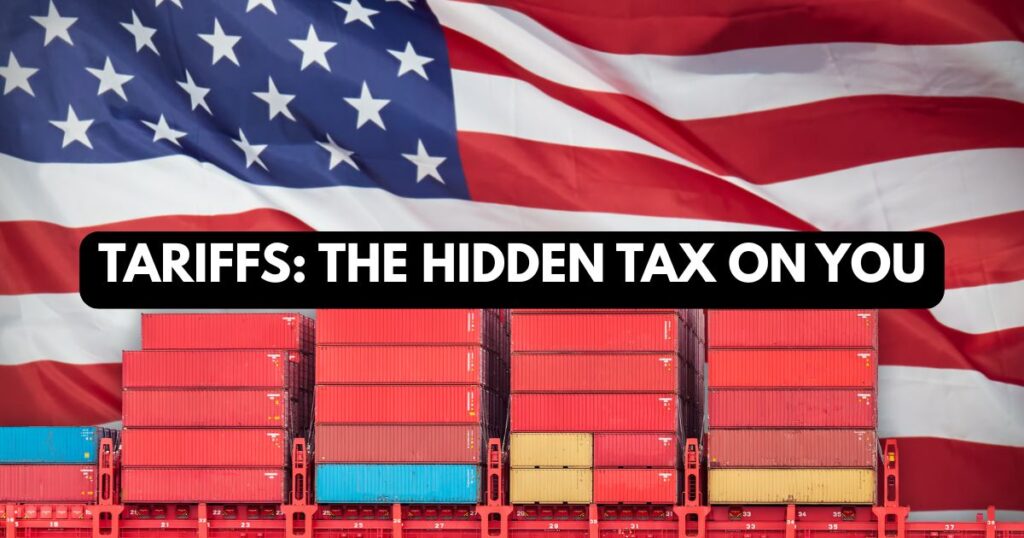
    An infographic showing how US China trade war tariffs are passed down as costs to American consumers in 2026.
    The real cost of US China Trade War Tariffs.

    The Mirage of Wealth: Who Really Pays?

    The fundamental misunderstanding of US China Trade War Tariffs is the belief that the exporting nation pays the tax. In reality, tariffs are paid by the domestic companies importing the goods. To maintain profit margins, these costs are immediately passed down to the consumer.

    • The Price Hike: From electronics to basic household goods, the “Tariff Surcharge” is becoming a permanent fixture in American retail.

    • Supply Chain Chaos: Companies shifting production away from China face massive relocation costs, which further fuel the inflation we analyzed in our [2026 CPI Data Analysis].

    From Trade War to Cold War: A Dangerous Escalation

    The initial skirmishes of the trade war have evolved into something far more sinister. What began as a dispute over steel and soy has metastasized into a geopolitical struggle that risks actual military conflict.

    1. Weaponizing the Dollar: The strategy to collect dollars through tariffs is a desperate move to manage the [US National Debt Crisis].

    2. Retaliation Cycles: China’s counter-tariffs on American tech and energy have paralyzed key US sectors, leaving neighboring nations as collateral damage in a fight they never asked for.

    The Voter’s Delusion: Supporting Your Own Tax Increase

    Why do so many Americans still applaud US China Trade War Tariffs? The answer lies in the potent mix of nationalism and economic illiteracy.

    • The “Strongman” Narrative: As explored in our look at [Gen Z Political Leanings], there is a growing hunger for aggressive leadership that promises to “punish” rivals, even if it costs the supporter personally.

    • Hidden Costs: Because tariff increases aren’t labeled as “taxes” on a receipt, the average voter blames “corporate greed” or “global inflation” rather than the trade policies they voted for.

    According to the Tax Foundation  [Impact of Tariffs on Consumers] , tariffs are among the most economically damaging ways to raise revenue, disproportionately affecting lower-income households.

    A Superpower Holding Itself Hostage

    A true “Political and Economic Superpower” should lead through innovation, not through the blunt force of protectionism that chokes its own citizens. The current administration’s insistence on doubling down on US China Trade War Tariffs suggests a lack of long-term vision. We are sacrificing the stability of the global market for short-term political theater. This hubris is exactly what we warned about in the [2026 Midterm Elections Checklist] .

    The Ripple Effect on Housing and Living

    The cost of construction materials inflated by tariffs is a hidden driver behind the [2026 Housing Market Analysis]. When the roof over your head and the food on your table both become more expensive because of a “Trade War,” it is time to rethink the strategy.

    Conclusion: Time for a Reality Check

    The US China Trade War Tariffs of 2026 are a testament to the power of political spin over economic reality. As we slide further into this conflict, the American consumer remains the ultimate casualty. We must stop and ask: Is the symbolic victory over a rival worth the actual poverty of our own people? We are still a long way from a rational trade policy, and until the public realizes they are the ones signing the check, the “War” will continue at their expense.
  • 2026 Housing Market Trends: Fatal Crash or Rise?

    2026 Housing Market Trends: Fatal Crash or Rise?

    2026 Housing Market Trends are increasingly defined by a paradox of high demand and stifling interest rates, creating a landscape that feels more like a minefield for the average buyer. As we move deeper into the election year, the “American Dream” of homeownership has transformed into a high-stakes political debate. The current administration’s inability to stabilize the housing sector is not just an economic failure; it is a

    A critical analysis of the 2026 US housing market trends and economic impact.
    2026 Housing Market Trends and Political Implications.

    direct catalyst for the shifting tides in the upcoming election.

    The Affordability Gap: A Nation Divided

    The primary driver of the 2026 Housing Market Trends is the unprecedented gap between stagnant wages and soaring property values. In major metropolitan areas, the median home price has reached levels that exclude nearly 70% of the working population. This is not a mere market correction; it is a systemic exclusion that breeds deep-seated resentment among younger voters.

    • Supply Shortage: New construction has failed to keep pace with demographic shifts, leading to a “bidding war” culture.

    • Institutional Buyers: Large corporations continue to snap up single-family homes, turning potential homeowners into permanent renters.

    The Mortgage Stranglehold: Federal Reserve’s Heavy Hand

    The shadow of the [Federal Reserve Chair Appointment Crisis] hangs heavily over every real estate closing. With mortgage rates hovering at historic highs, the “lock-in effect” has paralyzed the market—current homeowners refuse to sell and lose their low rates, while new buyers are priced out. This stagnation is a primary reason why we are still a long way from a healthy economic recovery.

    Political Fallout: Housing as a Vote Killer

    In the context of the [2026 Midterm Elections Checklist], housing is the “silent issue” that could topple the incumbent party.

    1. Democratic Strategy: Proposing rent control and first-time buyer subsidies, which critics argue will only drive prices higher by stimulating demand without addressing supply.

    2. GOP Strategy: Focusing on deregulation and curbing federal spending to lower inflation, though these measures offer little immediate relief to those currently unhoused.

    According to the latest U.S. Department of Housing and Urban Development (HUD) reports  [HUD Market Analysis], the rental market is also showing signs of extreme stress, with evictions reaching pre-pandemic highs in several swing states.

    The Death of the Suburbs?

    As people flee the chaos described in our [US City Crime Rates 2026] , the demand for safe suburban housing has skyrocketed. However, the lack of infrastructure and the high cost of commuting are making the suburbs less of a sanctuary and more of a financial burden. This shift is creating a “Digital Nomad” class that prioritizes internet connectivity over physical community, echoing the concerns of social isolation we discussed regarding the  [TikTok Ban Legal Timeline].

    Economic Superpower or Housing Slum?

    For a “Political and Economic Superpower,” the inability to house its own citizens is a national embarrassment. The current administration’s focus on global conflicts and energy manipulation has left the domestic housing market to rot. A nation that cannot provide roofs for its people cannot expect to lead the world with any moral authority.

    Conclusion: The Bubble That Won’t Burst

    The 2026 Housing Market Trends indicate a market that is fundamentally broken. Whether through a fatal crash or a slow, agonizing rise in prices, the current path is unsustainable. Until we address the greed of institutional investors and the rigidity of the Federal Reserve, the “American Dream” will remain a nightmare for most. We are still a long way from solving this crisis, and the voters will surely remember this at the ballot box.