[태그:] Revolving vs Installment Credit

  • 23 Credit Mix Mastery: Optimize Accounts for 800+ FICO

    Credit Mix Mastery represents the most overlooked 10% of your FICO score calculation: the strategic balance

    between revolving accounts (credit cards) and installment loans (mortgages, auto loans, personal loans). Many consumers asking how to break past the 750 score ceiling often wonder: 1) Why isn’t having multiple credit cards enough for an 800+ credit score? 2) How many different types of credit accounts do lenders actually want to see? 3) Does taking out an installment loan purely for credit building make financial sense? 4) How does credit mix interact with credit utilization and payment history? 5) What is the safest blueprint to achieve optimal credit diversity without paying unnecessary interest?

    This comprehensive guide answers all five questions to help you unlock peak credit scoring algorithms.

    “A flawless payment history with only revolving credit cards is like building a house with a strong foundation but no walls. Lenders need to see how you manage different financial structures under varying risk environments.”

    Question 1: Why Isn’t a Flawless Credit Card Portfolio Enough?

    Credit card accounts represent revolving debt—borrowing limits that cycle month-to-month based on your spending. While managing credit cards proves your ability to handle short-term liquidity, major underwriters view revolving debt as fundamentally different from fixed installment debt.

    Without installment experience, scoring models treat your profile as untested against long-term financial commitments.

    Question 2: How Many Account Types Are Required for Credit Mix Mastery?

    Achieving Credit Mix Mastery does not require holding every financial product on the market. FICO algorithms reward profiles that contain at least two active categories:

    • Revolving Accounts: 2 to 4 credit cards managed at low utilization.

    • Installment Accounts: 1 active or open-and-closed installment loan (such as an auto loan, student loan, mortgage, or credit-builder loan).

    Question 3: Should You Take Out a Loan Just to Boost Your Credit Mix?

    You should never pay high interest rates solely for credit score optimization. However, if your portfolio lacks installment history, specialized tools like Credit-Builder Loans or Self Lender products allow you to deposit funds into a locked certificate of deposit (CD) while reporting fixed monthly installment payments to all three bureaus.

    This builds installment credit with virtually zero capital risk.

    Question 4: How Does Credit Mix Synergize With Other Scoring Factors?

    While Credit Mix Mastery accounts for 10% of your total score, it directly strengthens your overall risk profile.

    When combined with clean inquiry records achieved through The Hard Inquiry Wipeout and zero late payments, a diverse credit mix Signals to primary underwriters that you are a low-risk, versatile borrower capable of handling major mortgage or commercial debt.
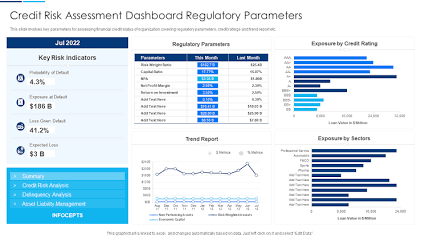
    A credit risk assessment dashboard showing credit score parameters and credit mix data
    Optimizing your Credit Mix Mastery requires a strategic blend of revolving accounts and installment loans to maximize your FICO score potential.

    Question 5: What Is the Step-by-Step Blueprint for Optimal Credit Diversity?

    To achieve optimal credit diversity smoothly, follow this three-stage implementation framework:

    1. Maintain 3 Core Credit Cards: Keep three revolving accounts open to anchor your average age of accounts and maximize available credit limits.

    2. Incorporate One Fixed Installment Account: Add an auto loan, mortgage, or a low-cost credit-builder loan to introduce structured installment history.

    3. Automate Micropayments: Ensure all accounts have automated monthly payments set up to protect your payment history while maintaining healthy account activity.

  • 19 The Credit Mix Rule: Unlock an 800 FICO Score Fast

    the-credit-mix-rule-800-fico-score
    Legal Weight Scale with Credit Card – Colored Background – 3D Rendering

    The Credit Mix Rule is the hidden ceiling that keeps millions of hardworking young adults trapped in the mid-700s, feeling a quiet frustration as their credit scores stall despite years of flawless payments. You can pay every bill on time, aggressively execute The FICO Dispute Secrets to clean your history, and keep your balances near zero, yet still find yourself locked out of the elite 800-point club.

    It feels as though the algorithms are quietly moving the goalposts when you are so close to financial freedom.

    The reason for this invisible barrier lies in how scoring models evaluate your overall financial maturity.

    Lenders do not simply want to see that you can pay off a single credit card; they want to hear a complete financial symphony where you orchestrate different types of debt simultaneously.

    Understanding The Credit Mix Rule is the master key to breaking through that stubborn score ceiling and proving to major institutional lenders that you possess absolute financial control.

    “Credit algorithms do not reward monogamy with a single credit card. They reward the proven ability to balance revolving lines of credit alongside structured, long-term installment accounts.”

    Why The Credit Mix Rule Controls 10% of Your FICO Score

    To understand how The Credit Mix Rule shapes your financial standing, you must examine how FICO scoring engines assign risk. While payment history (35%) and credit utilization (30%) form the heavy foundation of your profile, credit mix accounts for a crucial 10% of your total score.

    That 10% represents roughly 55 to 80 points—the exact margin separating a good 740 score from an elite 800+ profile that unlocks the absolute lowest mortgage and auto loan interest rates in the nation.

    Lenders view a consumer with only credit cards as a single-dimensional risk.

    When you demonstrate mastery over The Credit Mix Rule, you prove to the scoring algorithms that you can manage two fundamentally distinct financial obligations:

    • Revolving Credit: Open-ended credit lines such as credit cards and store cards where monthly payments fluctuate based on your spending choices.

    • Installment Credit: Fixed-term loans such as auto loans, student loans, personal loans, and mortgages where you pay a fixed dollar amount every month over a set period.

    A borrower who handles both revolving cards and an installment loan without missing a beat signals high structural stability, prompting the algorithm to boost their overall credit score.

    Mastering The Credit Mix Rule Without Taking On Dangerous Debt

    A common anxiety among young adults is believing that satisfying The Credit Mix Rule requires taking on thousands of dollars in high-interest consumer debt or buying a vehicle they do not need.

    This is a dangerous misconception.

    You never need to pay unnecessary interest fees to build an elite credit profile.

    Instead, you can leverage strategic, low-cost financial tools designed specifically to optimize your loan portfolio.

    If your profile consists purely of credit cards, you can activate a Credit Builder Loan through a local credit union or an online fintech provider.

    With a credit builder loan, the lender places the borrowed amount (typically $500 to $1,000) into a locked savings account while you make small, manageable monthly payments over 12 to 24 months.

    Each on-time payment is reported to Equifax, Experian, and TransUnion as an active installment loan.

    Once the term ends, the locked funds are returned to you, effectively adding a flawless installment account to your history for a negligible administrative fee.

    Strategic Portfolio Architecture for The Credit Mix Rule

    To build an impenetrable credit foundation, your long-term goal should be a balanced financial portfolio that naturally satisfies scoring requirements.

    An optimal credit mix architecture generally includes:

    • 3 to 5 Revolving Credit Cards: Providing high total credit limits, low overall utilization, and deep account age.

    • 1 to 2 Active or Satisfied Installment Accounts: Such as a past student loan, a credit builder account, an auto loan, or a primary mortgage.

    By establishing this diverse foundation, your profile remains resilient even during economic volatility.

    You transform your credit report from a simple ledger into a sophisticated financial resume that commands respect from major institutions.

    Conclusion: Elevate Your Profile Beyond the 700s

    Ultimately, conquering The Credit Mix Rule is about refusing to let an incomplete financial record hold your wealth building back.

    By strategically blending revolving cards with low-risk installment accounts, you send an unmistakable signal to credit bureaus that you are a complete, mature borrower.

    Break through the invisible ceiling, claim your 800+ FICO score, and step into the premier tier of financial independence.