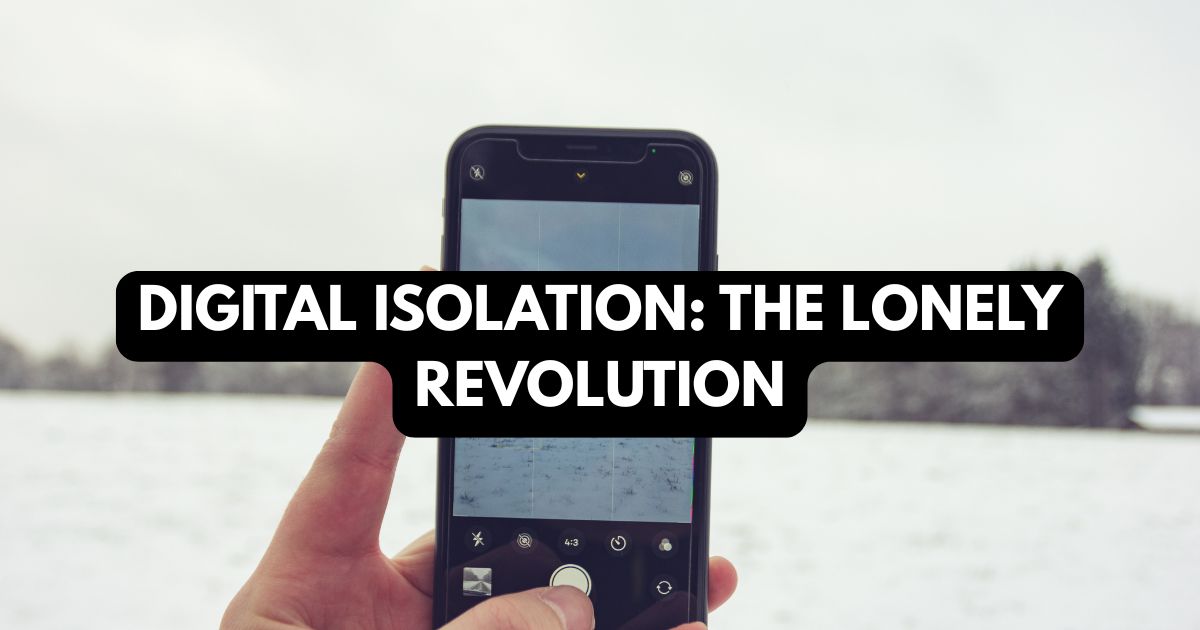
Digital Isolation and Loneliness have emerged as the defining psychological crises of 2026. In an era where we are more “connected” than ever through high-speed fiber optics and AI-driven social feeds, the average person reports feeling more alone than any previous generation. We have traded the messy, unpredictable beauty of face-to-face interaction for the sterile, algorithmic convenience of a screen. This is not progress; it is a fatal erosion of the human spirit.
The Illusion of Proximity: Why “Likes” Aren’t Love
The core tragedy of Digital Isolation and Loneliness lies in the illusion that digital engagement is a substitute for physical presence.
-
The Dopamine Trap: As we discussed regarding [TikTok Ban Legal Timeline] , these platforms are designed to trigger short-term rewards that leave us emotionally hollow.
-
Performative Living: We spend more time documenting our lives for strangers than living them with our loved ones. This performance creates a “connection debt” that can never be repaid with emojis.
Political Radicalization through Digital Echo Chambers
Isolation isn’t just a mental health issue; it’s a political one. When individuals suffer from Digital Isolation and Loneliness, they become highly susceptible to the “Strongman” narratives and polarized ideologies we explored in [Gen Z Political Leanings].
-
Search for Belonging: Marginalized individuals find a sense of community in extremist digital groups, replacing real-world civic engagement.
-
Loss of Empathy: Without face-to-face debate, we lose the ability to see the “human” in our political rivals, as seen in the vitriol surrounding the [Second Amendment Gun Control Debate].
Reclaiming Intimacy: The Power of Face-to-Face
The only antidote to Digital Isolation and Loneliness is a radical return to physical presence. We must prioritize “Analog Intimacy” over “Digital Noise.”
-
Digital Detox Zones: Creating spaces in our homes and cities where screens are forbidden to encourage genuine eye contact.
-
The 3D Interaction Rule: Prioritizing one coffee date over a hundred text messages. Human touch and tone of voice convey nuances that an AI, like the ones discussed in [AI Regulation and Big Tech Lobbying], can never replicate.
According to the U.S. Surgeon General’s Report on Loneliness [Loneliness Epidemic Data] , social isolation is as damaging to health as smoking 15 cigarettes a day—a fatal statistic for a “Superpower” nation.
Conclusion: Are We Connected or Just Addicted?
The story of Digital Isolation and Loneliness in 2026 is a warning. We have built a world of glass and silicon that reflects our desires but ignores our needs. As we move toward the [2026 Midterm Elections Checklist] , we must ask ourselves if we want a society built on algorithms or a community built on compassion. We are still a long way from solving this epidemic, but the first step is simple: put down the phone and look at the person sitting across from you.
🎙️ Senior’s Tip: The Art of Real Presence
“Listen, I’ve spent years analyzing the digital shift, and here is the hard truth: Digital Isolation and Loneliness are the price we pay for wanting ‘convenience’ in our relationships. You cannot automate intimacy. You cannot outsource friendship. In a world where Big Tech lobbies to keep your eyes on the screen, the most rebellious thing you can do is have a long, unrecorded conversation with a friend. Don’t let the [Most Trusted News Sources US] or any algorithm dictate your social worth. Real power isn’t in your follower count—it’s in the depth of your real-world connections. We are still humans, not just data points. Act like it.”