
TikTok Ban Timeline processes have entered a critical phase in 2026, as the U.S. government moves to decouple the world’s most popular short-form video app from its Chinese parent company, ByteDance. While the political rhetoric focuses on national security, the underlying societal crisis—driven by dopamine-fueled algorithms and the erosion of face-to-face communication—presents a more immediate danger to the fabric of American youth.
The Legal Roadmap: From Bill to Blackout
Understanding the TikTok Ban Timeline requires a step-by-step look at the administrative and judicial hurdles that stand between the current law and a total service outage.
-
The Divestiture Period (9-12 Months): Following the initial signing of the bill, ByteDance is granted a grace period to sell TikTok’s U.S. operations to an approved domestic buyer.
-
Judicial Review (Ongoing): TikTok has filed multiple lawsuits challenging the ban on First Amendment grounds. This stage involves the U.S. Court of Appeals and potentially the Supreme Court.
-
The Compliance Check (D-Day): If no sale occurs and legal challenges fail, the Department of Justice will issue an enforcement order to app stores (Apple and Google).
-
The App Store Removal: ISPs (Internet Service Providers) and app stores will be legally barred from hosting or updating the app, effectively “bricking” TikTok on millions of devices.
The Dopamine Trap: Why the Ban is a Mental Health Necessity
Beyond the TikTok Ban Timeline, we must address the “Dopamine Crisis” that rightly identified as a ticking time bomb. The app’s algorithm is designed to exploit the developing brain’s reward system, leading to:
-
Extreme Behaviors: Dangerous “challenges” that push teenagers to risk their lives for viral fame.
-
Age Restriction Failures: Despite official policies, millions of underage children bypass filters, exposing themselves to predatory content.
-
Cognitive Decline: Shortened attention spans that make traditional learning and deep focus nearly impossible.
The Death of Human Connection: The Digital Isolation
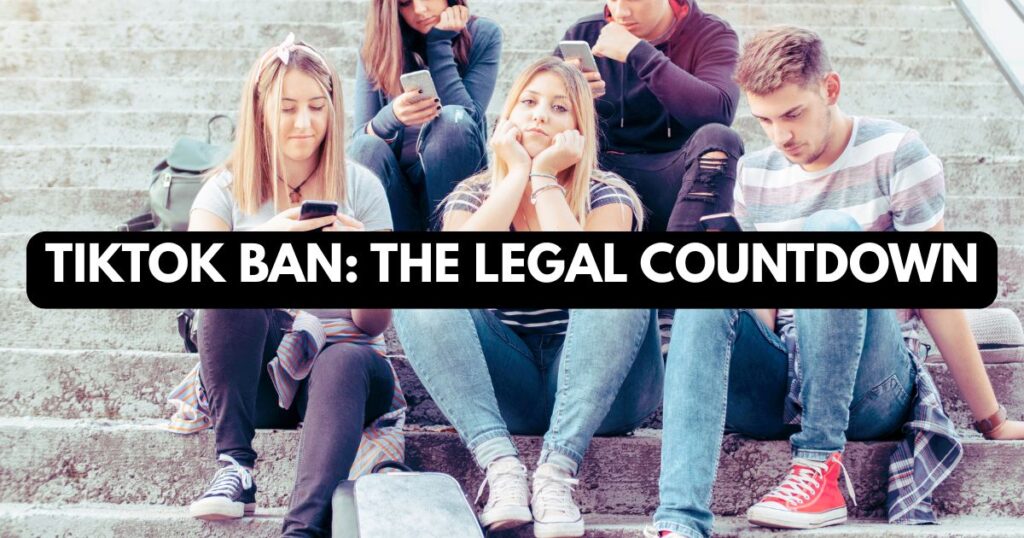
The tragedy of the TikTok era is not just about data privacy; it is about the Death of Face-to-Face Communication. As people spend hours in the “For You” feed, the art of physical interaction is vanishing.
-
Social Skill Atrophy: A generation is growing up without the ability to read non-verbal cues or handle real-time conflict.
-
Echo Chambers: Algorithmic isolation prevents the nuanced discussion necessary for a healthy democracy, a theme we explored in our [2026 Midterm Elections Checklist]).
Political Maneuvering: A Global Precedent
The TikTok Ban Timeline is a litmus test for how democracies handle “Digital Sovereignty.” As we discussed in the [US City Crime Rates 2026]), social unrest and crime are often exacerbated by the rapid spread of misinformation online. Furthermore, the economic implications of this ban are as volatile as the [Federal Reserve Chair Appointment Crisis], as billions in advertising dollars look for a new home.
According to the official Congressional Research Service [CRS Reports on Social Media], the legislative framework for this ban is unprecedented in its scope and potential impact on international trade relations.
The Responsibility of a Superpower: Beyond Politics
A true superpower must protect its most vulnerable citizens—its children. If the TikTok Ban Timeline leads to a more intentional, less addictive digital landscape, it will be a victory for humanity over engagement metrics. We must stop allowing algorithms to dictate our social norms and start reconnecting in the real world.
Conclusion: Still a Long Road Ahead
The TikTok Ban Timeline is more than just a legal schedule; it is a countdown to a much-needed social reset. While the technology moves fast, our ability to adapt our human values has been lagging. It is time we realize that online “likes” are a poor substitute for real-world relationships.

