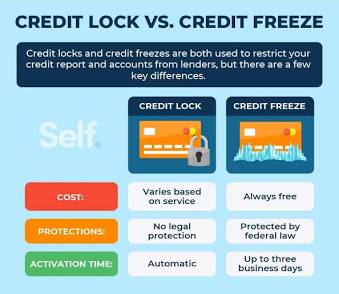
The Credit Freeze Shield represents the single most powerful legal mechanism available to American consumers to completely block unauthorized credit access, stop identity theft, and prevent hard inquiries without lowering your FICO score. Yet, millions of consumers remain confused about how to properly secure their credit files. Major credit bureaus—Equifax, Experian, and TransUnion—aggressively market commercial “Credit Lock” subscriptions as conveniencies, while hiding the true federal remedy: a statutory Security Freeze. Understanding the profound systemic differences between a commercial Credit Lock (Option A) and a federal Security Freeze (Option B) is essential to protecting your long-term financial sovereignty.
“A commercial Credit Lock is a profit-driven contract that protects the credit bureau’s liability. A federal Security Freeze is a statutory right that puts absolute legal liability on the bureau if unauthorized access occurs.”
Option A vs. Option B: Breaking Down the Structural Differences
To appreciate why The Credit Freeze Shield must be your default defense strategy, you must evaluate the legal and financial terms governing commercial locks versus statutory freezes.
Option A: The Commercial Credit Lock
-
Legal Protections: Governed purely by private terms of service contracts written by the credit bureaus. These agreements almost always contain forced arbitration clauses and class-action waivers that strip away your right to sue the bureau if a data breach occurs.
-
Financial Cost: Frequently bundled into monthly paid subscription packages ranging from $19.99 to $29.99 per month.
-
Regulatory Oversight: Zero federal statutory mandate. If the bureau’s app glitches and allows a fraudulent loan to go through, you have limited legal recourse under contract law.
Option B: The Federal Security Freeze
-
Legal Protections: Backed directly by federal law under the Economic Growth, Regulatory Relief, and Consumer Protection Act. If a credit bureau allows an unauthorized credit pull while your freeze is active, the bureau faces strict legal liability and federal regulatory penalties.
-
Financial Cost: Guaranteed 100% free by federal law across all three major credit reporting agencies.
-
Regulatory Oversight: Strictly regulated by the Federal Trade Commission (FTC), ensuring that bureaus must freeze or unfreeze your credit within specific, legally mandated timeframes upon receiving your request.
Why You Must Insist on The Credit Freeze Shield
My position on this matter is absolute: you should never pay a credit bureau a recurring subscription fee to protect data they collected from you without your explicit original consent. Commercial Credit Locks are cleverly designed marketing traps intended to monetize consumer anxiety while shielding corporations from liability.
By contrast, deploying The Credit Freeze Shield grants you absolute legal immunity against fraudulent debt creation.
When your credit file is frozen under federal law, third-party lenders are completely blocked from pulling your credit report. Because financial institutions will not extend new credit lines without inspecting your FICO score and inquiry history, identity thieves are rendered completely powerless—even if they possess your Social Security number and date of birth.
Furthermore, activating The Credit Freeze Shield works in perfect harmony with optimization strategies like Credit Mix Mastery. Freezing your credit does not alter your account age, lower your available limits, or interfere with ongoing automated payments. It simply puts your credit profile into an unassailable vault.
How to Deploy Your Defense in 3 Steps
-
Access Official Channels: Visit the dedicated security freeze web portals for Equifax, Experian, and TransUnion. Avoid clicking on paid identity theft subscription banners.
-
Secure Your Personal PINs: Set up robust passwords and store the provided personal identification numbers (PINs) or unfreeze keys in a secure password manager.
-
Unfreeze Temporarily When Applying: When you actively choose to apply for a mortgage, car loan, or new credit card, perform a temporary “lift” specifying the exact number of days or the specific lender. Once approved, your profile automatically locks back down under full federal protection.