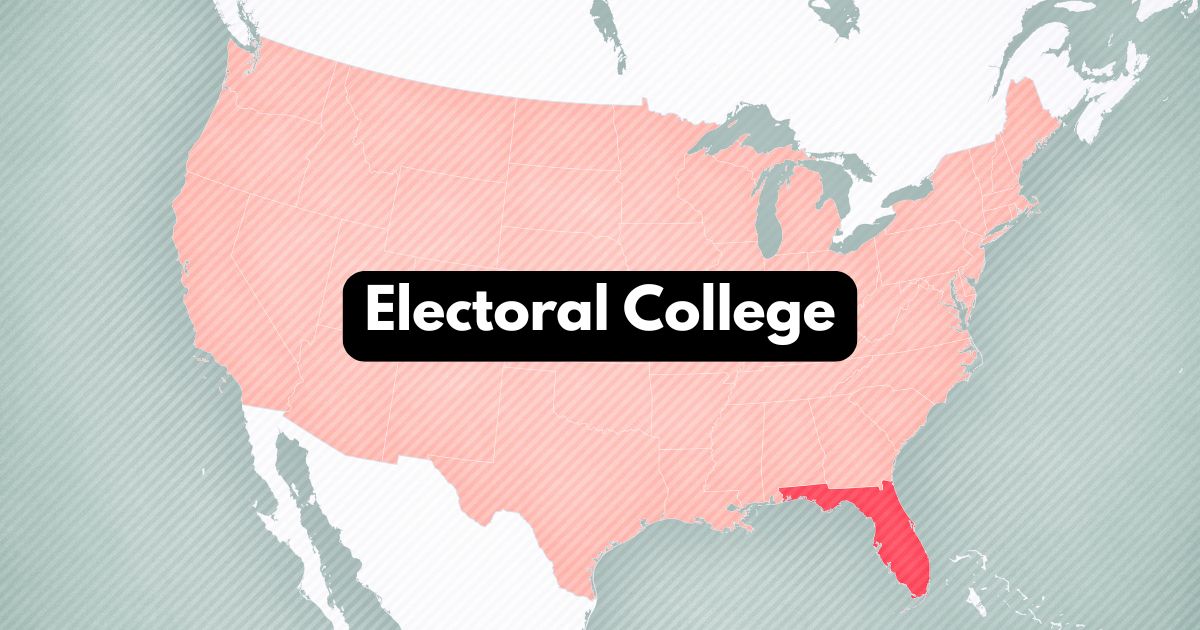
The Rust Belt & US Election dynamic remains the single most influential variable in American presidential politics. To understand the future of the United States, one must first look at the “rust”—the literal and metaphorical decay of the industrial heartland that once served as the backbone of the global economy. This region, stretching from the edge of the East Coast through the Great Lakes, holds the keys to the Electoral College. In 2026, as political polarization reaches new heights, the Rust Belt is no longer just a geographical area; it is a psychological and economic battlefield where the “American Dream” is being fought for.
Defining the Rust Belt: From Powerhouse to Protest
For the uninitiated, the term “Rust Belt” refers to a group of states—primarily Pennsylvania, Ohio, Michigan, Wisconsin, Illinois, and Indiana—that dominated global manufacturing from the late 19th century through the mid-20th century. During the “Golden Age” of American capitalism, these states produced the steel, automobiles, and machinery that built the modern world.
However, starting in the late 1970s, this region began to “rust.” The combination of automation, the rise of global trade agreements like NAFTA, and the transition toward a service-oriented economy led to the closure of thousands of factories. This wasn’t just an economic shift; it was a cultural trauma. Millions of blue-collar workers, who had enjoyed middle-class lifestyles without university degrees, suddenly found themselves obsolete. This deep-seated resentment is exactly what drives the Rust Belt & US Election outcomes today.
The Electoral Mechanics: Why 77,000 Votes Matter
In a nation of 330 million people, it is often a tiny sliver of Rust Belt voters who decide the presidency. Because of the U.S. Electoral College, most states are predictably locked for one party. However, states like Pennsylvania, Michigan, and Wisconsin are “Swing States” that flip based on thin margins.
In 2016, Donald Trump won the presidency by securing these three states by a combined total of only about 77,000 votes. This narrow victory demonstrated that the [2026 Midterm Elections Checklist] and general elections are decided not by the national popular vote, but by the specific economic anxieties of the Midwest.
Candidate Logic: The Battle for the Blue-Collar Vote
Every serious presidential candidate must develop a “Rust Belt Strategy.” This usually involves a mix of economic protectionism and cultural signaling.
-
The Populist Playbook: Donald Trump mastered this by framing himself as a protector against “globalist” forces. His rhetoric on trade, mirroring the [US China Trade War Tariffs], speaks directly to those who believe their jobs were “stolen” by foreign nations.
-
The Institutional Struggle: Democrats often struggle to balance their climate change goals, such as the [IRA EV Tax Credit 2026] , with the immediate needs of coal and steel workers. In the Rust Belt, “Green Energy” is often viewed with suspicion as a threat to existing industrial jobs.
-
Judicial Influence: Candidates also promise to appoint judges who will favor domestic labor laws or deregulation. The impact of the [Supreme Court Conservative Majority] is often touted as a way to ensure that federal regulations don’t “strangle” what’s left of American manufacturing.
2026 Current Status: Reshoring vs. Reality
As of early 2026, the narrative of “Reshoring”—bringing manufacturing back to the U.S.—is the central theme. Trump and his allies argue that their protectionist policies have caused a “Manufacturing Renaissance.” They point to new microchip factories and steel mills as evidence of a successful comeback.
However, data from the U.S. Census Bureau [Manufacturing Economic Data] suggests a more complex reality. While high-tech manufacturing is growing, it requires highly specialized labor, leaving the traditional blue-collar worker behind. This disconnect fuels the [US National Debt Crisis] as the government pours billions into subsidies that may not result in mass employment for the original Rust Belt demographic.
The Human Factor: Crime, Community, and Education
The decline of the Rust Belt isn’t just about money; it’s about the collapse of social structures. Many industrial cities have faced skyrocketing [US City Crime Rates 2026] and drug epidemics as traditional communities dissolved. Experts argue that we shouldn’t just focus on “bringing back jobs,” but on “rebuilding communities.”
-
Education Gap: There is a desperate need for vocational training that bridges the gap between old-school labor and new-age technology.
-
Mental Health: The isolation felt in these dying towns is a direct contributor to the [Digital Isolation and Loneliness] we see across the nation.
Conclusion: The Unpredictable Future
The Rust Belt & US Election saga is far from over. As we approach the next election cycle, both parties are doubling down on their Rust Belt promises. But as history shows, these voters are not loyal to a party; they are loyal to the promise of a stable life. Whether it’s through tariffs, infrastructure bills, or tax credits, the candidate who can truly convince the Rust Belt that their “rust” can be polished away will be the one who sits in the Oval Office.
We are still a long way from a fully recovered heartland. But as long as the Electoral College remains, the road to the White House will always run through the cracked pavement of a Rust Belt factory town.
🎙️ Senior’s Tip: The Pulse of the Heartland
“Listen carefully, because this is the secret to American politics: The Rust Belt & US Election isn’t about policy white papers or intellectual debates. It’s about respect. For decades, the people in these states felt looked down upon by the ‘coastal elites.’ When Trump showed up in 2016 and said, ‘I see you,’ it changed everything. In 2026, the resentment is still there. If you’re analyzing the polls, don’t just look at the numbers—look at the sentiment. Even with the [Most Trusted News Sources US] trying to frame the narrative, the reality is lived in the small towns that the world forgot. If you want to win, you have to win the heartland. Period.”