The Pay for Delete Hack is the single most critical negotiation rule when dealing with collection accounts: never pay a single cent to a collection agency until you have a signed, written agreement stating they will completely erase the collection account from your tri-bureau credit reports. Simply paying off a collection account does not repair your credit score; it merely changes the status on your report from “Unpaid Collection” to “Paid Collection.”
Both statuses are equally toxic to your FICO score, dragging your profile down for up to seven years even if you settled the balance in full.
If you want to restore an 800+ credit score after a major default, the only acceptable outcome is absolute deletion.
By taking a firm stance, executing The Goodwill Letter Strategy for active creditors, and leveraging The Pay for Delete Hack for third-party collection agencies, you force debt collectors to legally purge negative records in exchange for your capital.
“A paid collection account is still a collection account. Lenders evaluate paid collections as proof of past default. To restore your credit score, you must negotiate for total record deletion, not status updates.”
The Ultimate Playbook: Executing The Pay for Delete Hack
Executing The Pay for Delete Hack requires strict discipline and written documentation. You must never negotiate over the phone or provide your personal bank account details to a collection agency.
Follow this step-by-step protocol to secure a binding deletion agreement:
-
Step 1: Demand Debt Validation First: Before discussing any payment, send a formal Debt Validation Letter under FCRA and FDCPA laws. Force the collector to prove they own the debt and have the legal right to collect it.
-
Step 2: Propose the Pay for Delete Terms in Writing: Once the debt is validated, mail a formal offer letter proposing to pay 30% to 50% of the total balance in a lump sum. State clearly that payment is strictly contingent upon them signing an agreement to erase the account from Equifax, Experian, and TransUnion.
-
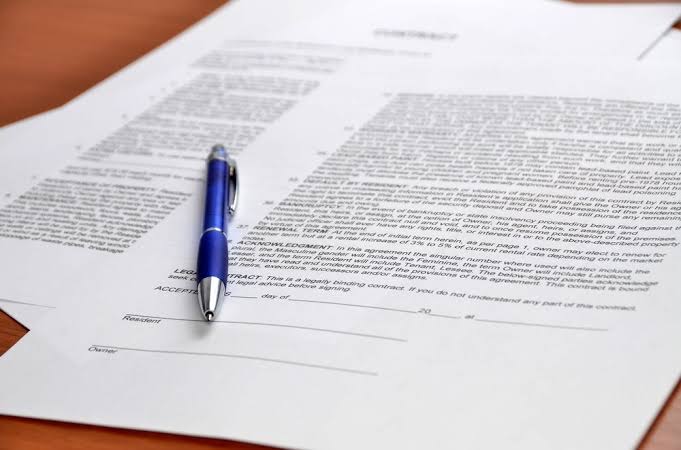
Step 3: Secure the Signed Contract: Never send money based on verbal promises from call center agents. Wait until you receive a physical letter on company letterhead signed by an authorized manager explicitly agreeing to the “Pay for Delete” terms.
-
Step 4: Remit Payment via Cashier’s Check: Pay the agreed amount using a cashier’s check or money order. Do not give them access to your personal checking account or debit card.
Why The Pay for Delete Hack Works: The Business Economics of Collection Agencies
The fundamental reason why The Pay for Delete Hack works lies in the business economics of the debt collection industry. Understanding this financial structure gives you total leverage during negotiations.
Third-party collection agencies do not buy debt at face value.
They purchase charged-off debt portfolios from original creditors (such as credit card companies or hospital networks) for pennies on the dollar—often between 2 to 7 cents per dollar of debt.
If a consumer owes $1,000, the collection agency likely bought that account for $30.
Because their acquisition cost is extremely low, a collection agency achieves massive profit margins even if you pay only 40% ($400) of the original debt.
Furthermore, collection agencies have no legal obligation to keep reporting an account to the credit bureaus.
Reporting data to credit bureaus costs collection agencies administrative fees and operational overhead.
When presented with a choice between receiving $400 in liquid cash versus holding onto an uncollectible mark on an anonymous credit report, the economic incentive forces them to accept The Pay for Delete Hack and delete the file.
Conclusion: Capitalize on Your Financial Leverage
Rebuilding your financial standing after a default requires treating collection agencies as commercial counterparties rather than authority figures.
By demanding total record deletion before releasing your capital, you transform a potentially damaging default into a clean slate.
Protect your leverage, insist on written contracts, and erase negative marks to reclaim your financial freedom.
답글 남기기