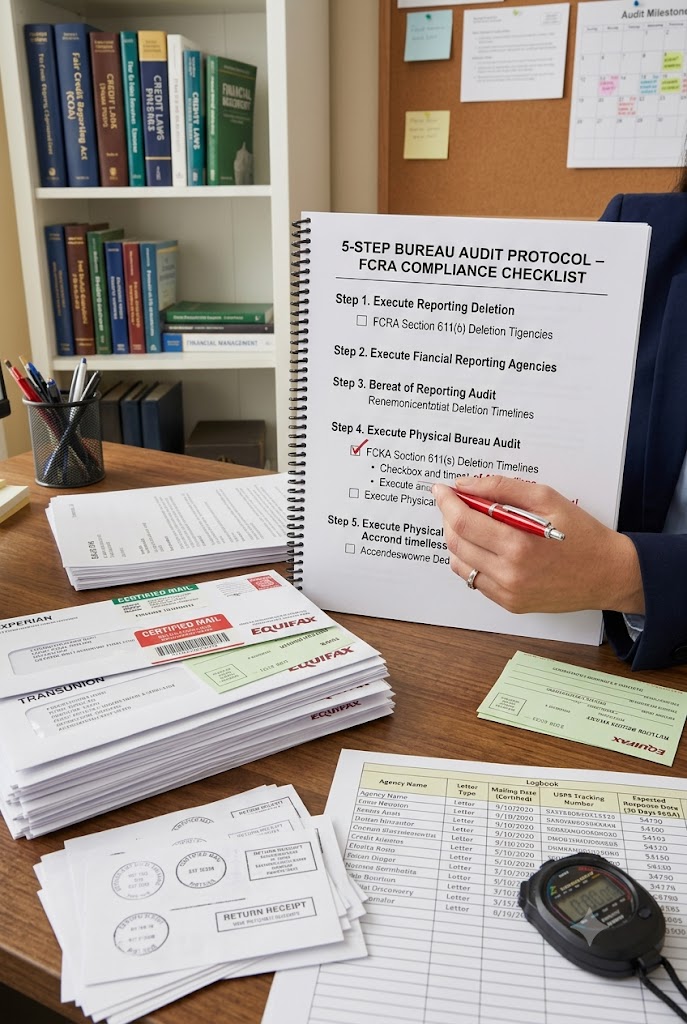
The Bureau Audit Protocol is a systematic, law-backed checklist designed to force Experian, Equifax, and TransUnion to remove inaccurate, outdated, or unverified negative items from your credit profile. Most consumers fail at credit repair because they rely on convenient, bureau-provided online dispute portals. Credit bureaus intentionally design online portals to convert your legal rights under the Fair Credit Reporting Act (FCRA) into standardized, automated dispute codes that an AI algorithm can dismiss in seconds. To achieve real results, you must replace passive online complaints with a rigorous, legally binding postal dispute method.
“Online dispute portals are trap doors designed to protect credit bureaus from lawsuits. A physical, certified audit letter sent directly to their legal departments is the only language credit agencies truly respect.”
Option A vs. Option B: Online Portals vs. Certified Audit Letters
Understanding why The Bureau Audit Protocol requires physical paper documentation comes down to analyzing how credit reporting agencies handle consumer disputes.
-
Option A: Online Dispute Portals (The Bureau Shortcut): When you click “Dispute” on a credit bureau app, you agree to updated terms of service that often limit your legal remedies. Your detailed claim is instantly condensed into a 2-digit e-OSCAR code (e.g., “Not his/hers”). No human reviews your attached evidence, and the bureau simply sends an automated ping to the creditor.
-
Option B: Certified Mail Audit Letters (The Legal Protocol): When you mail a physical dispute package via Certified Mail with Return Receipt Requested, you establish an undeniable paper trail. Under FCRA Section 611, the credit bureau has exactly 30 calendar days from the date of physical receipt to perform a reasonable investigation. If they fail to provide written verification from the original creditor, federal law mandates the complete deletion of the negative account.
The 5-Step Bureau Audit Protocol Checklist
Step 1: Request Unsurpressed Physical Credit Disclosures
Obtain your official credit reports directly from AnnualCreditReport.com or by physical mail request. Do not rely on third-party credit monitoring apps, as they omit essential backend data such as specific furnisher addresses, internal account identification codes, and exact removal dates.
Step 2: Conduct an Accuracy and Compliance Audit
Line up your reports from all three bureaus and highlight every discrepancy. Verify account numbers, date of last activity, original balance, historical payment status, and debt collector designations. Under federal law, even a minor clerical error—such as an incorrect open date—invalidates the entire entry.
Step 3: Prepare the Formal FCRA Dispute Package
Draft a targeted dispute letter for each bureau. State clearly that you are invoking your rights under FCRA Section 611. Identify each disputed item separately, explain the exact factual error, and demand complete deletion or physical proof of verification. Attach supporting documents, such as paid receipts or identity verification, but never send original copies.
Step 4: Dispatch via Certified Mail with Return Receipt
Send your audit package strictly via U.S. Postal Service Certified Mail with Return Receipt Requested. This physical green card (or digital delivery signature) serves as legal proof of the exact date the bureau received your demand, starting the strict 30-day statutory clock mandated by the Consumer Financial Protection Bureau (CFPB).
Step 5: Enforce Compliance or Escalate to Federal Agencies
Once the 30-day window expires, analyze the bureau’s response. If they delete the negative item, update your records. If they claim the account was “verified” without providing physical proof from the creditor, or if they ignore your deadline, immediately file a formal complaint with the CFPB and your State Attorney General.
By rigorously executing The Bureau Audit Protocol alongside existing safeguards like The Credit Freeze Shield, you shift the legal burden of proof back onto the credit bureaus and secure the high FICO score you deserve.
답글 남기기