[카테고리:] Politics

Breaking news and deep analysis of US political landscapes and 2026 midterm elections.

  • Gen Z Political Leanings: Shocking Shift to Right?

    Gen Z Political Leanings: Shocking Shift to Right?

    Gen Z Political Leanings in 2026 have defied every progressive prediction, revealing a generation that is increasingly disillusioned with liberal orthodoxy and drawn toward conservative populism. While many expected the “TikTok generation” to be the most progressive in history, the reality is a shocking pivot to the right. This shift isn’t just a phase; it is a calculated reaction to the digital environment and economic instability that has defined their formative years.

    An analysis of Gen Z political leanings and the shift toward conservatism in 2026 influenced by social media.
    Gen Z Political Leanings and TikTok Influence.

    The TikTok Paradox: A Breeding Ground for Conservatism?

    It is often assumed that YouTube or Instagram would have a more “Western” influence on Gen Z Political Leanings, given TikTok’s Chinese origins. However, the sheer velocity of TikTok’s algorithm has made it a more potent tool for political radicalization.

    • Meme-ified Policy: Complex conservative ideologies are distilled into 15-second “alpha” edits and patriotic montages that appeal directly to a sense of lost identity.

    • The Dopamine Loop: The same mechanism we discussed regarding the [TikTok Ban Legal Timeline]  creates a feedback loop where anti-establishment rhetoric gains the most engagement, often favoring “strongman” narratives.

    The Trump Effect: Was He the Inevitable Choice?

    The resurgence of Donald Trump is not merely a comeback; it is the culmination of a decade-long shift in Gen Z Political Leanings. For a generation that feels left behind by the globalist economy, Trump’s “America First” rhetoric offers a simplified, aggressive solution.

    1. Economic Anxiety: As explored in our [2026 Housing Market Analysis] , Gen Z sees the current administration as the architect of their inability to buy homes.

    2. Anti-Woke Backlash: A significant portion of young voters, particularly males, feel alienated by modern social justice movements, driving them toward the GOP’s “Law and Order” platform.

    Digital Isolation and the Search for Strength

    The tragedy of modern Gen Z Political Leanings is rooted in the social isolation we’ve previously analyzed. As young people stop communicating face-to-face, they seek community in digital echo chambers that reward extreme views. This isolation makes them vulnerable to leaders who project absolute certainty in an uncertain world.

    • Financial Fear: The looming [US National Debt Crisis]  makes Gen Z crave a “CEO-style” leader who promises fiscal ruthlessness over social empathy.

    • Crime Perceptions: Rising anxiety over urban safety, as detailed in [US City Crime Rates 2026], has pushed even urban youth to consider conservative policing policies.

    According to the Pew Research Center  [Gen Z and Politics] , the gender gap within Gen Z is widening at an unprecedented rate, with young men moving sharply to the right while young women remain largely progressive.

    The Responsibility of the Superpower

    As a “Political and Economic Superpower,” the U.S. is currently witnessing the first generation raised entirely on an algorithm-driven diet of information. This isn’t just about whether they are “Conservative” or “Liberal”; it’s about whether they are being led by data or by dopamine. If Gen Z Political Leanings continue to be shaped by 15-second clips rather than deep-seated values, the political stability of the nation remains at risk.

    Conclusion: A Generation of “Strongmen” Seekers

    Is Gen Z truly becoming more conservative? The data suggests yes, but it is a conservatism born of fear and isolation rather than tradition. Until the current political establishment addresses the underlying economic and social decay, the lure of populism will only grow stronger. We are still a long way from understanding the full impact of the “TikTok Right,” but the 2026 Midterms will undoubtedly be their first major victory lap.


  • US National Debt Crisis: $34 Trillion Joke?

    US National Debt Crisis: $34 Trillion Joke?

    US National Debt Crisis numbers have finally surpassed $34 trillion, a figure so astronomical that it feels more like a dark comedy than a fiscal report. While Washington politicians treat the national treasury like a limitless credit card with no expiration date, the rest of the world is watching the “Great American Experiment” teeter on the edge of a fiscal cliff. This isn’t just a budget deficit; it is a fatal structural collapse disguised as a temporary setback.

    us-national-debt-crisis-34-trillion-impact
    US National Debt Crisis analysis and the $34 trillion milestone.

    The Recipe for a $34 Trillion Disaster

    How did the US National Debt Crisis reach this surreal milestone? The ingredients for this toxic economic cocktail have been brewing for decades, but the current administration has turned up the heat to a boiling point.

    1. The “Printing Press” Philosophy: Whenever a problem arises—be it a pandemic or a proxy war—the solution is always the same: print more money.

    2. Interest on the Interest: We are now at a point where the interest payments alone are rivaling the defense budget. We are literally borrowing money just to pay the interest on the money we already borrowed.

    3. Global Overreach: Maintaining the status of a “Political and Economic Superpower” is expensive, especially when you are financing conflicts across two continents while your own infrastructure crumbles.

    The Bubble That Refuses to Pop (Until It Does)

    The terrifying aspect of the US National Debt Crisis is that it feels sustainable right until the second it isn’t. The “Bubble Economy” is propped up by the dollar’s status as the world’s reserve currency, but that trust is evaporating. When the world decides it no longer wants to subsidize American overspending, the resulting hyperinflation will make the current [2026 CPI Data Analysis]  look like the “good old days.”

    Predicting the Collapse: When Does the Party End?

    Economists are divided, but the data points toward a critical junction following the  [2026 Midterm Elections Checklist] .

    • The 2027 Cliff: As the temporary tax cuts expire and the full weight of the  [Federal Reserve Chair Appointment Crisis] hits, the market will realize that the $34 trillion debt is mathematically unpayable.

    • Voter Sentiment: Citizens are starting to realize that the “America First” rhetoric doesn’t fill their gas tanks or lower their mortgages, as seen in our [2026 Housing Market Analysis].

    According to the official U.S. Treasury Department fiscal data  [Debt to the Penny] , the debt is increasing by nearly $2 trillion per year—a pace that no G7 nation can sustain without eventually facing a currency devaluation.

    The Humorous Tragedy of Modern Finance

    If you don’t laugh, you’ll cry. The US National Debt Crisis is like a man jumping off a 100-story building and saying, “So far, so good,” as he passes the 50th floor. We are currently at the 10th floor, and the pavement is looking very hard. The hubris of thinking we can “grow our way” out of a $34 trillion hole without massive tax hikes or spending cuts is the ultimate political delusion.

    Conclusion: A Superpower on Life Support

    Is the U.S. economy dead? No, but it is on life support, and the electricity bill is $34 trillion overdue. Until we stop treating our national debt like a “brain-off” task and start making the hard choices that often suggests, we are destined for a reckoning that will reshape the global order. The 2026 Midterms may be the last chance to change course before the bubble finally bursts.

  • 2026 Housing Market Trends: Fatal Crash or Rise?

    2026 Housing Market Trends: Fatal Crash or Rise?

    2026 Housing Market Trends are increasingly defined by a paradox of high demand and stifling interest rates, creating a landscape that feels more like a minefield for the average buyer. As we move deeper into the election year, the “American Dream” of homeownership has transformed into a high-stakes political debate. The current administration’s inability to stabilize the housing sector is not just an economic failure; it is a

    A critical analysis of the 2026 US housing market trends and economic impact.
    2026 Housing Market Trends and Political Implications.

    direct catalyst for the shifting tides in the upcoming election.

    The Affordability Gap: A Nation Divided

    The primary driver of the 2026 Housing Market Trends is the unprecedented gap between stagnant wages and soaring property values. In major metropolitan areas, the median home price has reached levels that exclude nearly 70% of the working population. This is not a mere market correction; it is a systemic exclusion that breeds deep-seated resentment among younger voters.

    • Supply Shortage: New construction has failed to keep pace with demographic shifts, leading to a “bidding war” culture.

    • Institutional Buyers: Large corporations continue to snap up single-family homes, turning potential homeowners into permanent renters.

    The Mortgage Stranglehold: Federal Reserve’s Heavy Hand

    The shadow of the [Federal Reserve Chair Appointment Crisis] hangs heavily over every real estate closing. With mortgage rates hovering at historic highs, the “lock-in effect” has paralyzed the market—current homeowners refuse to sell and lose their low rates, while new buyers are priced out. This stagnation is a primary reason why we are still a long way from a healthy economic recovery.

    Political Fallout: Housing as a Vote Killer

    In the context of the [2026 Midterm Elections Checklist], housing is the “silent issue” that could topple the incumbent party.

    1. Democratic Strategy: Proposing rent control and first-time buyer subsidies, which critics argue will only drive prices higher by stimulating demand without addressing supply.

    2. GOP Strategy: Focusing on deregulation and curbing federal spending to lower inflation, though these measures offer little immediate relief to those currently unhoused.

    According to the latest U.S. Department of Housing and Urban Development (HUD) reports  [HUD Market Analysis], the rental market is also showing signs of extreme stress, with evictions reaching pre-pandemic highs in several swing states.

    The Death of the Suburbs?

    As people flee the chaos described in our [US City Crime Rates 2026] , the demand for safe suburban housing has skyrocketed. However, the lack of infrastructure and the high cost of commuting are making the suburbs less of a sanctuary and more of a financial burden. This shift is creating a “Digital Nomad” class that prioritizes internet connectivity over physical community, echoing the concerns of social isolation we discussed regarding the  [TikTok Ban Legal Timeline].

    Economic Superpower or Housing Slum?

    For a “Political and Economic Superpower,” the inability to house its own citizens is a national embarrassment. The current administration’s focus on global conflicts and energy manipulation has left the domestic housing market to rot. A nation that cannot provide roofs for its people cannot expect to lead the world with any moral authority.

    Conclusion: The Bubble That Won’t Burst

    The 2026 Housing Market Trends indicate a market that is fundamentally broken. Whether through a fatal crash or a slow, agonizing rise in prices, the current path is unsustainable. Until we address the greed of institutional investors and the rigidity of the Federal Reserve, the “American Dream” will remain a nightmare for most. We are still a long way from solving this crisis, and the voters will surely remember this at the ballot box.

  • 2026 TikTok Ban Timeline: Shocking Legal Steps to Shutdown

    2026 TikTok Ban Timeline: Shocking Legal Steps to Shutdown

    TikTok Ban Timeline processes have entered a critical phase in 2026, as the U.S. government moves to decouple the world’s most popular short-form video app from its Chinese parent company, ByteDance. While the political rhetoric focuses on national security, the underlying societal crisis—driven by dopamine-fueled algorithms and the erosion of face-to-face communication—presents a more immediate danger to the fabric of American youth.

    tiktok-ban-legal-timeline-2026
    A comprehensive TikTok Ban Timeline from bill passage to service shutdown.

    The Legal Roadmap: From Bill to Blackout

    Understanding the TikTok Ban Timeline requires a step-by-step look at the administrative and judicial hurdles that stand between the current law and a total service outage.

    1. The Divestiture Period (9-12 Months): Following the initial signing of the bill, ByteDance is granted a grace period to sell TikTok’s U.S. operations to an approved domestic buyer.

    2. Judicial Review (Ongoing): TikTok has filed multiple lawsuits challenging the ban on First Amendment grounds. This stage involves the U.S. Court of Appeals and potentially the Supreme Court.

    3. The Compliance Check (D-Day): If no sale occurs and legal challenges fail, the Department of Justice will issue an enforcement order to app stores (Apple and Google).

    4. The App Store Removal: ISPs (Internet Service Providers) and app stores will be legally barred from hosting or updating the app, effectively “bricking” TikTok on millions of devices.

    The Dopamine Trap: Why the Ban is a Mental Health Necessity

    Beyond the TikTok Ban Timeline, we must address the “Dopamine Crisis” that rightly identified as a ticking time bomb. The app’s algorithm is designed to exploit the developing brain’s reward system, leading to:

    • Extreme Behaviors: Dangerous “challenges” that push teenagers to risk their lives for viral fame.

    • Age Restriction Failures: Despite official policies, millions of underage children bypass filters, exposing themselves to predatory content.

    • Cognitive Decline: Shortened attention spans that make traditional learning and deep focus nearly impossible.

    The Death of Human Connection: The Digital Isolation

    The tragedy of the TikTok era is not just about data privacy; it is about the Death of Face-to-Face Communication. As people spend hours in the “For You” feed, the art of physical interaction is vanishing.

    • Social Skill Atrophy: A generation is growing up without the ability to read non-verbal cues or handle real-time conflict.

    • Echo Chambers: Algorithmic isolation prevents the nuanced discussion necessary for a healthy democracy, a theme we explored in our  [2026 Midterm Elections Checklist]).

    Political Maneuvering: A Global Precedent

    The TikTok Ban Timeline is a litmus test for how democracies handle “Digital Sovereignty.” As we discussed in the [US City Crime Rates 2026]), social unrest and crime are often exacerbated by the rapid spread of misinformation online. Furthermore, the economic implications of this ban are as volatile as the  [Federal Reserve Chair Appointment Crisis], as billions in advertising dollars look for a new home.

    According to the official Congressional Research Service  [CRS Reports on Social Media], the legislative framework for this ban is unprecedented in its scope and potential impact on international trade relations.

    The Responsibility of a Superpower: Beyond Politics

    A true superpower must protect its most vulnerable citizens—its children. If the TikTok Ban Timeline leads to a more intentional, less addictive digital landscape, it will be a victory for humanity over engagement metrics. We must stop allowing algorithms to dictate our social norms and start reconnecting in the real world.

    Conclusion: Still a Long Road Ahead

    The TikTok Ban Timeline is more than just a legal schedule; it is a countdown to a much-needed social reset. While the technology moves fast, our ability to adapt our human values has been lagging. It is time we realize that online “likes” are a poor substitute for real-world relationships.

  • US City Crime Rates: The Shocking Vote Killer 2026

    US City Crime Rates: The Shocking Vote Killer 2026

    US City Crime Rates have become the most volatile variable in the 2026 political equation. While national data suggests a technical decrease in violent crime, the lived experience in America’s “Blue Cities” tells a far more harrowing story. The perception of lawlessness—fueled by viral shoplifting videos and subway violence—is not just a local policing issue; it is a structural crisis that is beginning to crack the foundation of Democratic power.

    us-city-crime-rates-political-impact
    US City Crime Rates analysis for the 2026 Midterms.

    Global Context: Where Does the US Stand?

    On the global stage, the United States presents a dual reality. In 2026, the global crime index shows major economies like China and the UAE leading in safety, while the US remains in a middle-tier struggle with a crime index of approximately 49.2. While safer than high-risk hotspots like Papua New Guinea or Venezuela, the US continues to grapple with a high-velocity violent crime rate that is virtually unseen in other developed G7 nations.

    The Urban Divide: America’s Safest and Deadliest

    Domestically, the divide is stark. In 2026, cities like New York and Boston continue to top the safety rankings for major metros, proving that dense urban environments can be secured with consistent policy. Conversely, smaller jurisdictions like Shawangunk, NY, report near-zero crime, highlighting the safety of the suburbs. However, in the “troubled” metros where crime narratives dominate, the disconnect between official stats and public fear has never been wider.

    Why the “Safety Gap” Refuses to Close

    Despite massive investments, US City Crime Rates remain high due to a “revolving door” justice system and deep-seated systemic issues.

    1. Recidivism Cycles: Many cities struggle with high recidivism rates because reentry programs fail to provide real job opportunities.

    2. Resource Mismatch: While governors boast of multi-agency task forces, the actual number of “beat cops” on the street often falls short of the demand.

    3. Mental Health Infrastructure: Law enforcement is frequently forced to act as social workers in cities where mental health crisis response is underfunded.

    Political Battlefront: Two Parties, Two Worlds

    The 2026 Midterm Elections will be won or lost on the streets.

    • Democratic Policy: Focuses on “interconnected safety”—linking crime reduction to investments in mental health and poverty initiatives like Maryland’s ENOUGH project. However, voters are increasingly skeptical of “long-term solutions” when they feel unsafe today.

    • Republican Policy: Emphasizes “Law and Order,” pushing for expanded federal death penalties and immediate reinstatement of strict execution protocols. The GOP currently holds a 17-point advantage over Democrats on the issue of crime.

    According to the official FBI Uniform Crime Reporting data (🔗External Link: [FBI Crime Data Explorer] , the lag in reporting from major cities often creates a “data vacuum” that politicians fill with fear-based rhetoric.

    The Voter’s Verdict: Still a Long Way to Go

    As we noted in our analysis of the [2026 Midterm Elections Checklist], voter fatigue is at an all-time high. Citizens in battleground states like Ohio are no longer interested in hearing which party is “tougher” on crime; they want to know which party can make their neighborhood walkable again. As we also discussed regarding the [Federal Reserve Chair Appointment Crisis], economic instability only exacerbates urban crime, creating a vicious cycle that neither party has truly broken. To see how these local issues impact national primaries, refer to our (🔗Link: [Ohio Primary 2026 Insights].

    Conclusion: Hubris Over Help

    Is the current approach working? The data says we are making progress, but the public’s fear says we are failing. Until the U.S. stops treating public safety as a campaign slogan and starts treating it as a non-negotiable right, US City Crime Rates will continue to haunt the incumbent party. We are still a long way from a truly safe America.

  • Federal Reserve Chair Appointment: Shocking Death of Independence

    Federal Reserve Chair Appointment: Shocking Death of Independence

    Federal Reserve Chair Appointment processes in 2026 are increasingly under fire as political shadows loom over the financial heart of Washington.

    The whispers of a “loyalist” replacement are no longer just rumors; they are a direct threat to the financial stability of the global economy. The Federal Reserve Chair Appointment has historically been a shield against political whims, but under the current administration, that shield is being melted down to forge a political weapon.

    The Ghost of Arthur Burns: When Politics Trumps Policy

    To understand the danger of a political Fed, we must look at the disastrous tenure of Arthur Burns in the 1970s. Succumbing to pressure from President Nixon to keep interest rates low for reelection, Burns ignited the “Great Inflation” that crippled the U.S. economy for a decade. When a Federal Reserve Chair Appointment is based on “loyalty” rather than “literacy,” history repeats itself with agonizing precision.

    The Anatomy of a Political Climber: Characteristics of the “Yes-Man”

    What defines the individuals currently vying for the Fed Chair? These political climbers share distinct, dangerous traits:

    1. Ideology Over Data: They prioritize the President’s “America First” tweets over objective data.

    2. Short-Term Vision: They ignite long-term hyperinflation for a six-month “market rally.”

    3. The “Director” Persona: They possess the sophisticated title but lack the moral backbone to say “No.”

    Why the 2026 Midterm Context Matters

    The push for a compliant Fed is linked to the [2026 Midterm Elections Checklist]. The administration knows the historical “graveyard” of midterms can only be avoided if the economy feels artificially pumped. By threatening the Federal Reserve Chair Appointment process, they are attempting to hijack the interest rate lever to win votes.

    The Global Ripple Effect: Exporting Economic Chaos

    As a “Political and Economic Superpower,” the U.S. has a duty to maintain a stable dollar. However, a politicized Fed would destabilize global trade. As noted in the [2026 CPI Data Analysis], inflation is already a global contagion. A Fed Chair who lacks independence will only pour gasoline on this fire.

    The High Stakes of the 2026 Transition

    Replacing a seasoned hand with a political operative is a gamble with the world’s wealth. The Fed’s independence is not a luxury; it is the foundation of trust. For a deeper look at institutional shifts, see our report on  [Ohio Primary 2026 Insights].

    According to the official Federal Reserve Board historical records (🔗External Link: [Federal Reserve History] , political pressure on central banks has always led to long-term economic instability.

    Conclusion: A Warning to the Market

    The Federal Reserve Chair Appointment of 2026 will be the ultimate litmus test. Will we remain a nation of laws, or become a banana republic where currency is managed by the highest political bidder?

  • 2026 Midterm Elections: Why Incumbents Always Lose

    2026 Midterm Elections: Why Incumbents Always Lose

    2026 Midterm Elections D-Month Checklist: Is the White House Facing a Historical Graveyard?

    As the countdown to the 2026 Midterm Elections begins, the political atmosphere in Washington is increasingly suffocating. Historically, the midterm cycle has earned a reputation as the “Graveyard of the Incumbent Party.” For the current administration, this isn’t just a statistical anomaly—it is a looming reality fueled by a controversial “America First” agenda that has sent shockwaves through the global economy. If the current trajectory of prioritizing domestic gains at the expense of global stability continues, the 2026 cycle will not just be a loss; it will be a reckoning.

    A critical look at the 2026 Midterm Elections and the historical loss of the incumbent party.
    Historical data suggests a tough road for the GOP in 2026.

    The Historical Curse: Why the Ruling Party Fails

    Statistically, the President’s party has lost seats in nearly 90% of all midterm elections since the Civil War. This phenomenon occurs because the 2026 Midterm Elections serve as a national referendum on the administration’s performance. When the White House shifts from campaigning to governing, the coalition that brought them to power often dissipates, while the opposition is energized by every policy misstep. To understand how these shifts began, recall our analysis of the  [Electoral College 2026: The Ultimate Guide]  which detailed the structural hurdles of American power.

    Global Pain for Domestic Gain: The Ethics of a Superpower

    A political and economic superpower carries a global responsibility that the current Trump administration seems to have abandoned. By manipulating global energy markets and leveraging military conflicts for political leverage, the U.S. is effectively exporting inflation and hardship. While the administration claims to be “fixing” the economy, the reality is that the world is suffering under the weight of high energy prices and disrupted supply chains. This lack of international accountability is a primary driver of voter dissatisfaction among moderate Americans who see the moral and economic cost of this isolationism.

    The 2026 Midterm Checklist: Key Vulnerabilities

    As we check the boxes for the 2026 Midterm Elections, several red flags appear for the GOP. The strategy of “maximum pressure”—not just on adversaries, but on allies—is creating a backlash that will likely manifest at the ballot box.

    • The Energy Crisis: Trump’s policies have destabilized global energy security, leading to volatile gas prices at home.

    • Economic Isolationism: Trade wars are beginning to bite back, affecting the very manufacturing hubs that were promised a “Renaissance.” For more context on these economic shifts, see our report on  [2026 CPI Data Analysis].

    • Voter Fatigue: The constant chaos of the “Permanent Campaign” is exhausting the suburban voters who decide the 2026 Midterm Elections.

    The Responsibility of a Political Giant

    Being a “Political Giant” means more than just having the largest military; it means providing the stability that the global market requires. Instead, the current administration has treated global geopolitics like a zero-sum game. This approach has alienated traditional allies and created an opening for adversaries to fill the leadership vacuum. Voters are increasingly aware that a leader who burns bridges abroad eventually leaves their own citizens stranded. This sentiment is particularly strong in battleground states like Ohio, as noted in our [Ohio Primary 2026 Insights].

    Will the 2026 Midterms Be a Referendum on Hubris?

    The ultimate question for the 2026 Midterm Elections is whether the American public will tolerate the “World’s Suffering” as a price for domestic political theater. If the GOP fails to take responsibility for the global repercussions of its energy and foreign policies, the “Graveyard” of the midterm elections will be particularly crowded this year.

    Conclusion: A Call for Strategic Accountability

    The GOP must realize that an “America First” policy that leaves the rest of the world behind is ultimately unsustainable. The global economy is too interconnected for one nation to thrive while others are in agony. As we approach the 2026 Midterm Elections, the checklist for victory must include a return to global responsibility. Without it, the incumbent party is destined to repeat the failures of history, losing the very mandate they fought so hard to secure.

  • Truck Accident Attorneys 2026: Why Sleep is Your Strongest Legal Defense

    Truck Accident Attorneys 2026: Why Sleep is Your Strongest Legal Defense

    Truck Accident Attorneys 2026: Why Sleep is a Legal Right and a Safety Necessity

    In the high-stakes world of American logistics, the pressure to deliver “just-in-time” often clashes with the fundamental human need for rest. As we move through 2026, the role of Truck Accident Attorneys has evolved beyond simple litigation; they have become the primary enforcers of safety standards that corporations often overlook in pursuit of quarterly results. When a driver is forced to sacrifice sleep to meet an impossible quota, the resulting “accident” is frequently a predictable consequence of corporate negligence.

    Truck Accident Attorneys investigating driver fatigue and corporate liability in 2026
    Specialized Truck Accident Attorneys help prove when corporate pressure leads to driver exhaustion.

    The Performance Trap: Why Drivers Sacrifice Rest

    The modern logistics industry operates on razor-thin margins, leading many companies to incentivize performance over protection. Drivers, often lacking adequate labor safeguards, find themselves in a “performance trap”—pushed to drive beyond the legal 11-hour limit to maintain their livelihoods. This systemic issue is a major focal point in current political debates regarding labor reform. To understand how these regional labor shifts influence national policy, it is helpful to look at the [Ohio Primary 2026 Insights] .

    The Human Cost of Corporate Quotas

    When a driver is pushed to the brink of exhaustion, their reaction time mimics that of a person under the influence of alcohol. If an incident occurs under these conditions, Truck Accident Attorneys can argue for “Punitive Damages,” holding the company itself responsible for the culture of fatigue it created. This legal pressure is a vital check on corporate power.

    Why Specialized Truck Accident Attorneys are a Necessity

    Navigating a truck accident claim is vastly different from a standard car insurance dispute. It requires a deep understanding of the Federal Motor Carrier Safety Administration (FMCSA) regulations and the ability to challenge well-funded corporate legal teams.

    • ELD Auditing: Professional Truck Accident Attorneys specialize in auditing Electronic Logging Devices to prove that a driver was on the road when they should have been resting.

    • Corporate Accountability: Legal experts can trace the “chain of command” to show that dispatchers or managers actively encouraged HOS (Hours of Service) violations.

    • Economic Impact: As we discussed in our analysis of [2026 CPI Data], the rising costs of medical care mean that securing a fair settlement is more critical than ever.

    (더 보기…)

  • Electoral College 2026: The Ultimate Guide to 270 Votes

    Electoral College 2026: The Ultimate Guide to 270 Votes

    Electoral College 2026: The Ultimate Guide to Understanding the 270 Vote Threshold

    The Electoral College remains the most critical yet misunderstood component of American democracy. As we look toward the 2026 Midterm Elections, understanding the Electoral College is not just an academic exercise—it is a strategic necessity for grasping how American power is won and maintained. This system continues to dictate the rhythm of national campaigns and the distribution of political influence across the 50 states. To gain a broader perspective on national voting patterns, you should first examine the [Ohio Primary 2026 Insights]  which provides a baseline for current voter behavior.

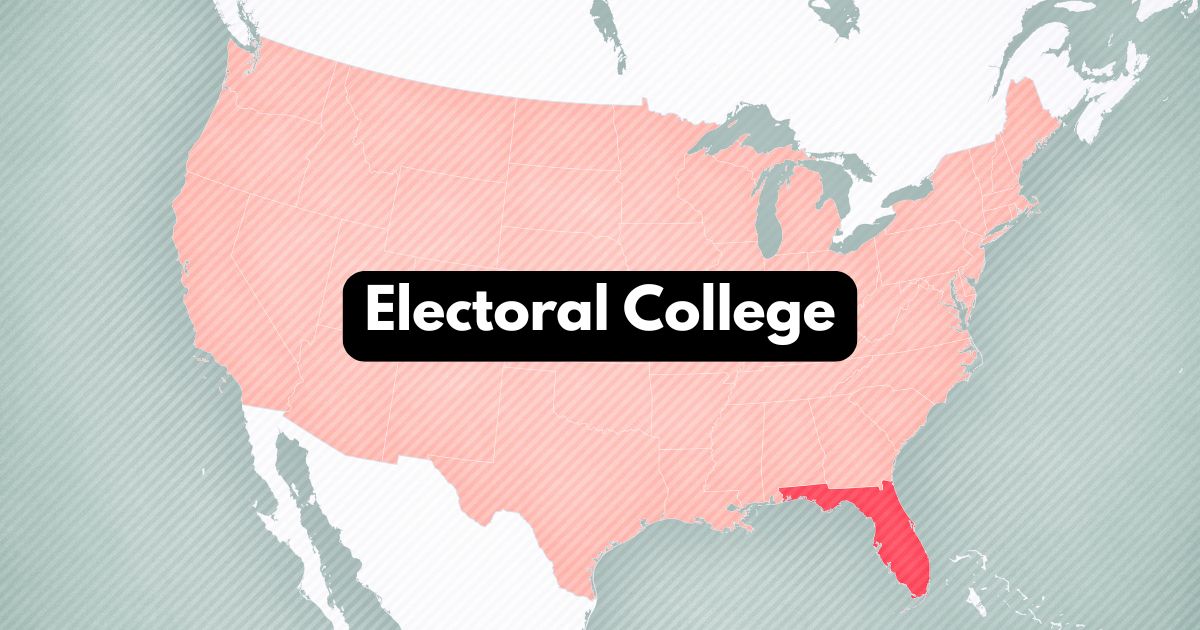
    A detailed 2026 US map explaining the Electoral College and the 270 vote threshold.
    Securing 270 votes in the Electoral College is the ultimate goal.

    The Mechanics of the Electoral College and the 538 Electors

    The Electoral College is composed of 538 electors, a number that reflects the total membership of the U.S. Congress. To secure the presidency, a candidate must win a majority of at least 270 electoral votes. Each state’s number of electors is determined by its total congressional representation: two senators plus the number of its members in the House of Representatives.

    How Elector Allocation Works in 2026

    This formula ensures that every state, regardless of population, has a minimum of three electoral votes. In 2026, the census-driven reapportionment of these seats continues to shift the political gravity toward the Sun Belt, altering the traditional electoral map. This shift is a key reason why candidates focus so heavily on regional economic data. For more on the economic drivers of voter sentiment, see our analysis on the  [2026 CPI Data Analysis].

    The Winner-Take-All System and Swing States

    Most states employ a “Winner-Take-All” system for the Electoral College, where the candidate who wins the popular vote plurality receives all of that state’s electoral votes. This reality is why national campaigns focus disproportionately on a handful of “Swing States” like Pennsylvania, Michigan, and Arizona.

    Strategic Impact of the Electoral College on 2026 Midterms

    While the Electoral College specifically elects the President, its shadow looms over the 2026 Midterm Elections. The boundaries of electoral influence are often shaped by economic and social factors that influence voter sentiment. According to the official  [U.S. National Archives on Electoral College] , this institution was designed to balance the interests of high-population and low-population states.

    Economic Factors and the Electoral College

    The economy remains the top priority for voters in battleground states that decide the Electoral College. The latest inflation data is a critical variable in how these states might lean in the next cycle. Candidates must align their fiscal platforms with the specific needs of these diverse voting blocs to maintain structural “Stability.”

    The Role of State Legislatures in Electoral College Reform

    State-level decisions on how elections are conducted can have ripple effects on the Electoral College. Understanding the legislative framework of these states is vital for recognizing the long-term trajectory of U.S. policy and the defense of democratic institutions. Many states are currently debating the “National Popular Vote Interstate Compact,” which could fundamentally change the Electoral College without a constitutional amendment.

    The Global Debate: Popular Vote vs. Electoral College

    One of the most persistent criticisms of the Electoral College is the possibility of a candidate winning the national popular vote but losing the presidency. This phenomenon remains a flashpoint for debates over democratic integrity in 2026.

    Proponents of the Current Electoral College System

    Proponents argue that the Electoral College preserves federalism and prevents high-population states from monopolizing the executive branch. They believe it forces candidates to build a geographically diverse coalition, maintaining the “Character” of the United States as a union of states rather than a single direct democracy.

    Arguments for Electoral College Reform

    Critics suggest that the Electoral College diminishes the “Human Factor” of individual votes in non-competitive states. They often advocate for reforms that would align the presidency more closely with the direct will of the people. This debate continues to shape the legislative agendas of both major parties as they prepare for the 2026 cycle.

  • The Human Factor in 2026

    [Director’s Insight] “While fresh faces are appealing, politics is ultimately a ‘service’ provided by people. Innovation without proven character and integrity is a dangerous gamble. For the 2026 Midterm Elections, we must look past the polished resumes and evaluate the true ‘texture’ of a candidate’s life.”


    The Human Factor: Vetting Integrity in the 2026 Midterm Candidates

    As the United States hurtles toward the 2026 Midterm Elections, the political machine is cranking out a new wave of “fresh faces” promising to disrupt the status quo. In a digital landscape dominated by viral clips and meticulously crafted personas, the temptation to vote for the most “innovative” or “outsider” candidate is at an all-time high. However, a critical reassessment is underway among the American electorate. Voters are beginning to realize that professional competence, while essential, cannot compensate for a lack of foundational integrity. The focus is shifting from what a candidate promises to do, to who that candidate has been throughout their life. In the 2026 Midterms, voters are prioritizing long-term integrity over short-term political charm.

    A conceptual image showing a political candidate under a magnifying glass, emphasizing character vetting for the 2026 Midterms.

    1. Beyond the Resume: The Resurrection of Character

    In recent cycles, the “Candidate Quality” debate has often centered on ideological purity or fundraising prowess. But in 2026, the narrative is changing. High-profile scandals involving personal conduct and historical inconsistencies have led to a “Back to Basics” movement. Political strategists are now looking at a candidate’s life story—not as a marketing tool, but as a predictor of their resilience under pressure. When the [US Legislative Process]  becomes gridlocked, it is the character of the individual legislator that determines whether they hold firm to their values or succumb to partisan convenience.

    This shift is particularly evident in the  [GOP vs. Dems] divide. Both parties are grappling with the fact that “charismatic” leaders without a moral compass often become liabilities. For more on the internal struggles of leadership, check out the recent analysis by [Politico]. A candidate who has lived a life of consistent service and ethical clarity is increasingly seen as a safer “investment” for the voter than a political firebrand with a murky past.

    2. The Impact of Life Experience on Policy Stability

    A candidate’s past isn’t just about their “morals”; it’s about their “database of experience.” Someone who has managed a small business, served on a local school board, or handled the fiscal responsibilities championed by leaders like [Rosa DeLauro] brings a level of practical empathy to the table that cannot be taught in a campaign bootcamp. Their life’s work becomes the “Security Base” of their political identity.

    When we examine the rise of tech-savvy candidates, as seen in discussions on  [Elon Musk’s X] , the question remains: Can their technical innovation be trusted if their personal ethics are unproven? The consensus for 2026 is that innovation without integrity is a recipe for corruption. According to the [Pew Research Center] , we are seeing a return to the idea that honesty and consistency are the most “Modern” tools for effective governance. For a broader look at global leadership trends, visit [The Economist] .

    3. Vetting the 2026 Field: A New Standard

    The 2026 Midterm field is being vetted with unprecedented intensity. Investigative journalism and citizen oversight have made it impossible for candidates to hide their past. This level of transparency, while sometimes brutal, is necessary for a healthy democracy. It forces candidates to be “Transparent by Design,” much like the [AI Security Standards] we see in the tech world.

    In the end, a politician is a public servant, and a servant’s most important attribute is their reliability. As we look at the emerging leaders in states like Pennsylvania and Arizona, we must ask: Does their life story match their campaign slogan? If not, their “freshness” is nothing more than a temporary coat of paint on a crumbling structure. Voters in 2026 are looking for the “Engine” of character, not just the “Paint” of charisma.


    📚 [Terminology: Knowledge for Savvy Voters]

    • Vetting : The thorough investigation of a candidate’s background, character, and finances before they are considered for office.

    • Candidate Quality : A term referring to whether a candidate possesses the intellectual and moral capabilities to perform their duties, beyond just being “electable.”

    • Meritocracy : A system where power and rewards are distributed based on individual ability and talent rather than wealth or social class.