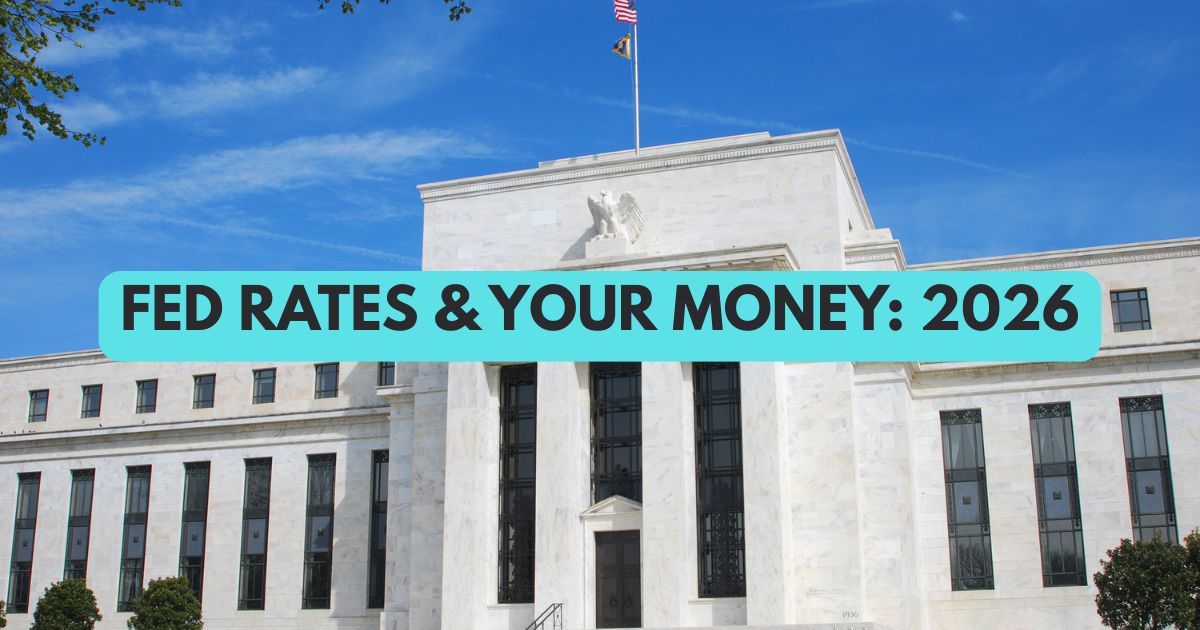
The decisions made by the Federal Reserve, often referred to as “the Fed,” have far-reaching consequences that extend well beyond the walls of Wall Street. For the average American household, these monetary policies are felt in everything from monthly mortgage payments to the price of a gallon of milk. As we look toward 2026, understanding the trajectory of Fed rates is not just for economists—it is a survival skill for personal finance.

1. The Direct Link Between Fed Rates and Consumer Credit
When the Federal Reserve adjusts the federal funds rate, it sets off a chain reaction throughout the banking system. For consumers, the most immediate impact is seen in credit card interest rates and auto loans. As rates climb, the cost of carrying debt increases, leading many families to tighten their belts and reconsider large purchases. This shift in spending habits is exactly what the Fed aims for when trying to cool down an overheating economy.
2. Housing Market Volatility and Mortgage Rates in 2026
Perhaps no sector is more sensitive to Fed policy than real estate. Mortgage rates, while not directly set by the Fed, tend to follow the trend of long-term Treasury yields, which are heavily influenced by the Fed’s outlook. In 2026, we expect a complex dance between inflation control and housing affordability. For first-time homebuyers, staying updated on Fed announcements is crucial for timing their entry into the market. High rates can be a barrier, but they also prevent the kind of rapid price inflation that led to previous housing bubbles.
3. Inflation Control: The Battle for Your Grocery Bill
The Fed’s primary mandate is price stability. By raising rates, they strive to keep inflation from eroding the purchasing power of the dollar. For the American middle class, this means the Fed is fighting to stabilize the cost of living. Whether it’s the price of eggs or the cost of a domestic flight, the Fed’s “soft landing” strategy aims to bring prices down without triggering a major recession. It is a delicate balance that requires constant monitoring of global supply chains and domestic labor markets.
4. Expert Perspectives: Why 2026 is Different
Historical data suggests that mid-cycle adjustments are common, but 2026 presents unique challenges. Political shifts, including those discussed in our report on [Trump’s Administration and Citizenship Legal Shifts] , may influence trade policies, which in turn impact inflation. Analysts suggest that the 2026 economic landscape will be defined by “digital resilience”—how well households can adapt their savings and investments to a high-rate, high-tech environment.
5. Strategic Financial Planning for Households
How should you prepare? First, prioritize high-interest debt repayment. Second, look into high-yield savings accounts that benefit from elevated rates. Finally, diversify your portfolio to include assets that historically perform well during inflationary periods. Knowledge is your most valuable asset in an era of economic uncertainty. By understanding the Fed’s playbook, you can turn economic challenges into opportunities for long-term financial growth and stability.
답글 남기기