The Great Firewall of America: TikTok, Privacy, and the Future of Speech
The legislative push to ban TikTok in the United States has reached a boiling point as we head toward the 2026 Midterm Elections. What started as a concern over a “dancing app” has evolved into a high-stakes battle over digital sovereignty. Central to this debate is the paradox of modern connectivity: how do we protect national security without sacrificing the constitutional right to free expression?
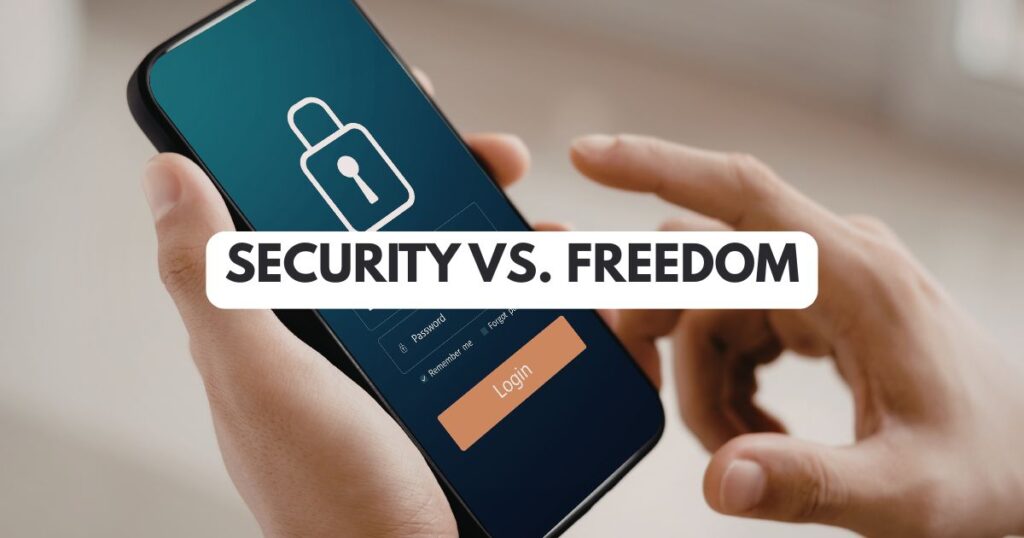
1. The Invisible Threat: Data Sovereignty and TikTok
The primary legal argument for the ban rests on the origin of the app. As a product of the Chinese-owned company ByteDance, TikTok is subject to national security laws that could theoretically compel the sharing of user data with foreign intelligence. This isn’t just about knowing what videos you watch; it’s about the political engineering of an entire generation’s data profile—from location tracking to biometric identifiers.
Despite these warnings, millions of Americans refuse to log off. The reason is simple: TikTok has mastered the “Attention Economy.” It provides a level of engagement and community that traditional media, analyzed in our piece on Norah O’Donnell] , can no longer offer. For many, the perceived utility of the app outweighs the abstract threat of data vulnerability.
2. The Paradox of Diversification: Privacy in the Deepfake Era
If TikTok is banned, users won’t stop consuming short-form video; they will simply migrate to a multitude of other platforms. However, this diversification brings its own set of dangers. As social media fragments, the decentralized nature of the internet makes it harder to police malicious content.
The rise of Deepfakes and AI-generated misinformation is the primary concern for 2026. A fragmented social media landscape provides fertile ground for these digital phantoms to spread unchecked, bypassing the traditional [AI Deepfake Election Law] designed for larger, centralized platforms. When personal privacy is compromised on multiple, less-secure apps, the risk of identity theft and psychological manipulation grows exponentially, threatening the integrity of the [2026 Midterm Election Guide] .
3. Legislative Responsibility: Security vs. Liberty
The debate over social media bans mirrors the broader tension between government overreach and individual freedom. Much like the controversy surrounding [CBDC] , a ban represents a form of state-mandated digital restriction. Critics argue that instead of a ban, the government should focus on comprehensive data privacy laws that apply to all tech companies, regardless of their origin.
The challenge for the [US Legislative Process] is to create a framework that secures the nation’s digital borders while respecting the “First Amendment” rights of its citizens. Without such a balance, the government risks being seen as an authoritarian “Big Brother,” a narrative often challenged by vocal traditionalists like [Pete Hegseth] .
Conclusion: Navigating the Digital Wild West
The potential ban of TikTok is a symptom of a larger struggle to define the rules of the digital age. As we move closer to 2026, the decisions made in Washington will determine whether we move toward a more secure, regulated internet or a more fractured, vulnerable one. At [US Political Insight], we believe that the only way to protect our privacy is to remain vigilant and informed about the platforms that hold our data—and our attention.
Leave a Reply